
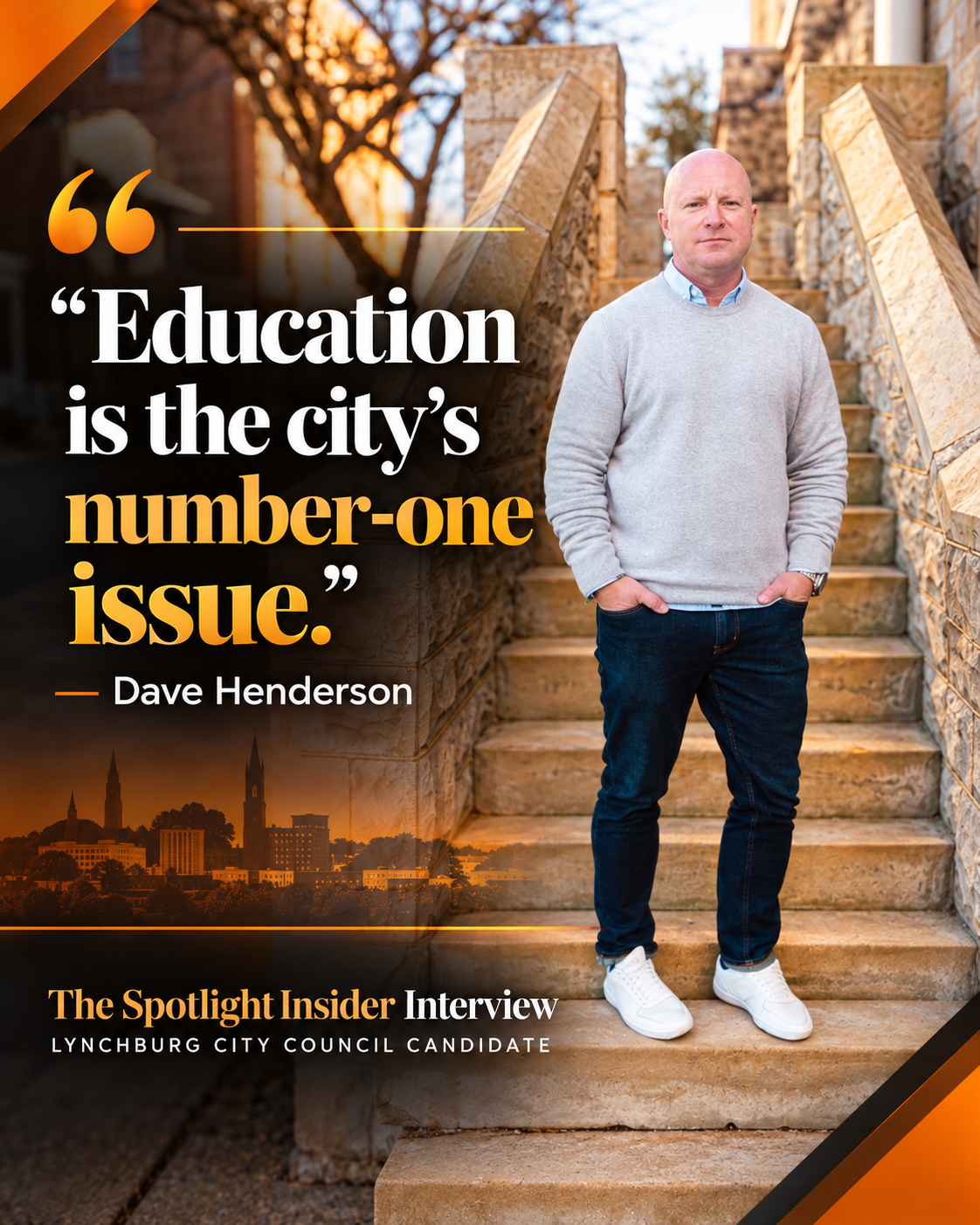
Democratic City Council candidate argues education should be Lynchburg’s top priority while calling for a more collaborative Council, stronger economic development, expanded housing options and greater accountability
By Johnathan “TeflonJohn” Smith | The Spotlight Insider
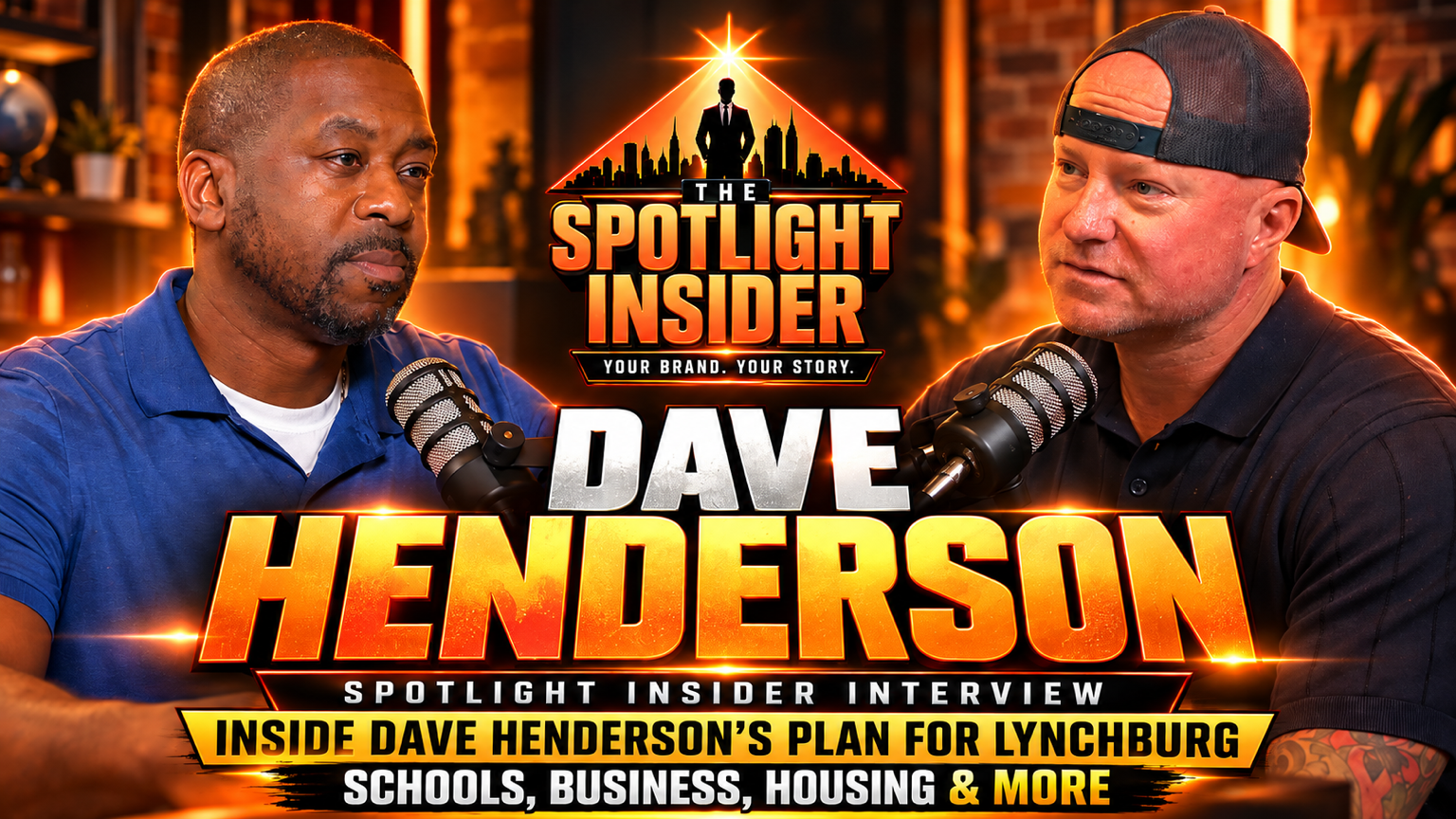
⏯️ WATCH THE INTERVIEW
Dave Henderson believes Lynchburg is at a point where simply identifying its problems is no longer enough.
During an in-depth interview on The Spotlight Insider, the Democratic candidate for Lynchburg City Council laid out a broad vision centered on education, economic development, housing, public safety and what he described as the need to restore professionalism and functionality to City Council.
Henderson, a Lynchburg native, business owner and member of the Lynchburg Planning Commission, said his decision to seek office grew out of years of civic involvement and increasing concern about the direction of local government. He described himself as someone who had spent significant time working through businesses, nonprofits and civic institutions before deciding that he needed to become more directly involved in city leadership. Pasted markdown
“I think we have to get back to governing,” was the central message running through much of Henderson’s interview.
For Henderson, that begins with Lynchburg City Schools.
Education at the center of Henderson’s campaign
Henderson repeatedly identified education as his top priority, describing Lynchburg’s school system as an issue that requires more than incremental changes.
He argued that declining academic performance should be treated as a symptom of broader challenges involving poverty, technology, family circumstances, community conditions and long-term institutional problems. He also said Lynchburg needs a broader community conversation involving parents, teachers, faith leaders, nonprofits and residents instead of expecting educators alone to solve the problem. Pasted markdown
The achievement gap received particular attention during the interview.
Henderson acknowledged concerns about the academic performance of African American students and said the issue deserves direct attention, while cautioning against reducing the entire problem to race alone. He pointed to poverty and a lack of support surrounding some children as factors that must also be addressed. Pasted markdown
His proposed approach includes establishing measurable goals, reviewing data, strengthening School Board leadership and changing strategies when programs fail to produce results.
“We have to know what success looks like,” Henderson said in substance throughout the discussion.
When pressed to identify a specific four-year benchmark, however, Henderson stopped short of giving a single numerical target. Instead, he argued that Lynchburg should establish a clear set of community-defined goals, monitor academic progress and hold leaders accountable for whether those goals are being met.
Henderson wants City Council to take School Board appointments more seriously
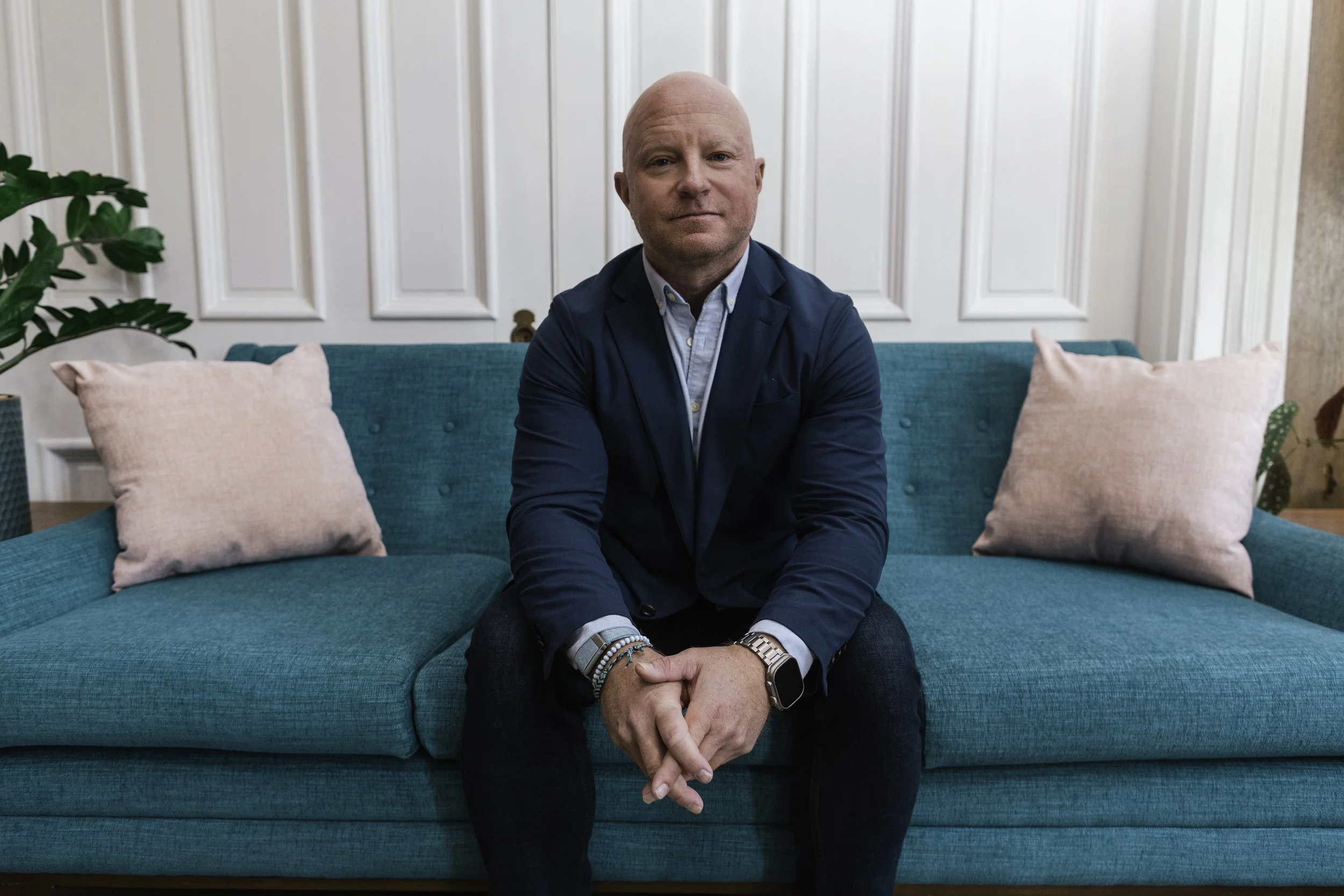
Henderson said City Council has two major points of influence over Lynchburg City Schools: the city budget and appointments to the School Board.
He was particularly critical of the way some School Board candidates have been questioned during the appointment process.
Henderson cited an instance in which a council member asked a candidate about “kitty litter” in school bathrooms. He characterized the question as embarrassing and argued that School Board interviews should instead focus on whether candidates understand the complexities of leading an urban school system. Pasted markdown
He also said teachers must receive competitive salaries, adequate classroom resources, respect and stronger workplace support.
At the same time, Henderson did not offer a specific formula for reducing administrative spending. He said he would rely on education and financial experts to determine where funding could most effectively be redirected toward teachers and classrooms. Pasted markdown
One of Henderson’s more unconventional education ideas involves alternatives to traditional suspension.
He described a concept he called “purpose punishment,” under which some students facing suspension might instead participate in structured community service, nonprofit work, construction or hands-on projects.
The idea, Henderson said, would be to hold students accountable while placing them in environments where they could gain mentorship, structure and a greater sense of purpose. He acknowledged that such a program would require careful limits, particularly when dealing with serious behavioral violations.
From business owner to City Council candidate
Henderson’s business background is another major part of his pitch to voters.
After spending portions of his career in Richmond, Washington, D.C., St. Louis and other parts of the country, Henderson eventually returned to Lynchburg with his family. He later opened The Water Dog, which he said recently marked its tenth anniversary. Pasted markdown Pasted markdown
He said the experience of launching and operating a restaurant gave him a first-hand view of how local government affects entrepreneurs.
Henderson believes Lynchburg should make it easier for business owners to understand regulations, navigate permitting and determine what assistance is available to them.
His argument is not that government should eliminate standards. Instead, he said the process should be easier to understand for people who may already be taking one of the largest financial risks of their lives. Pasted markdown
Economic development, he argued, is also central to the city’s ability to fund its other priorities.
Henderson linked business growth and expansion of the tax base directly to schools, public safety, infrastructure and quality-of-life services.
Rather than framing Lynchburg’s choices as simply raising taxes or cutting services, Henderson said the city should look for ways to generate additional revenue through growth, appropriate density, development and more efficient use of existing resources.
Downtown is Lynchburg’s “front porch,” but Henderson says other neighborhoods cannot be ignored
As the owner of a downtown business, Henderson made clear that he views downtown Lynchburg as an economic asset.
He described downtown as the city’s “front porch,” a place that helps form the impression residents and visitors have of Lynchburg.
Henderson credited restaurants, shops, development and public investment with helping strengthen the area. But he also warned against allowing downtown to become the only part of Lynchburg receiving significant attention.
He said the city must continue investing in sidewalks, street lighting, parks, trails, infrastructure and gathering spaces throughout Lynchburg’s neighborhoods. Pasted markdown
That includes Fifth Street.
Henderson spoke positively about the corridor and specifically mentioned businesses such as Hill City Donuts and Squared Biscuit. He said Fifth Street has significant potential and argued that the city needs to follow through on plans and commitments made to the surrounding community.
Housing and Lynchburg’s “missing middle”
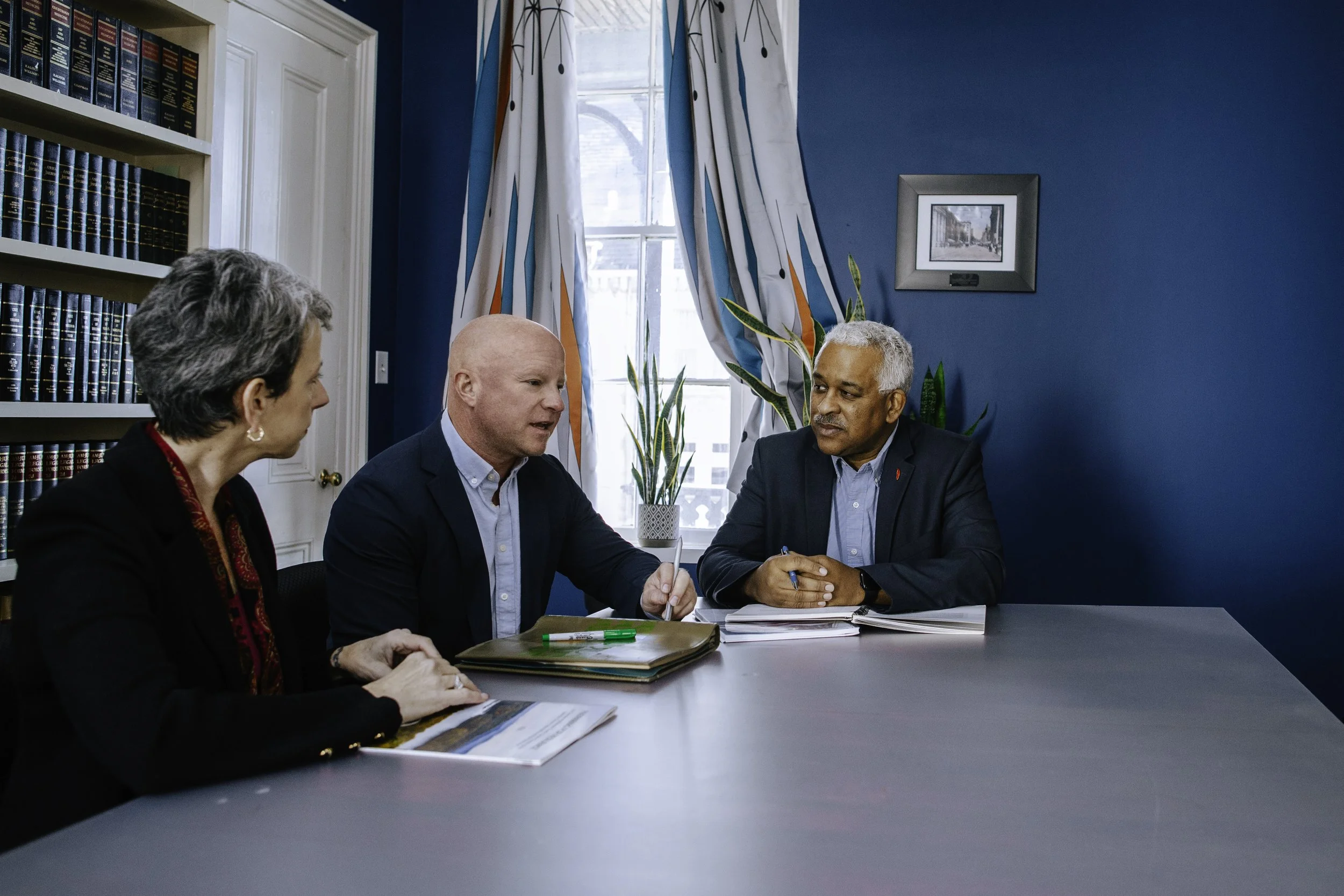
Housing affordability was another significant portion of the conversation.
Henderson argued that Lynchburg lacks enough options between large apartment developments and detached single-family homes.
He described this gap as the “missing middle.”
Possible solutions, he said, could include more duplexes, townhomes, small multifamily buildings and other moderately scaled housing options.
Henderson also suggested that Lynchburg consider incentives for appropriate development, reuse of blighted properties and additional housing supply in locations where increased density makes sense. Pasted markdown
The goal, in Henderson’s view, is not density for its own sake.
He tied housing policy to the larger question of how Lynchburg expands its tax base while efficiently providing services to residents.
Flock cameras: public safety versus privacy
Henderson’s position on surveillance technology was more nuanced than his rapid-fire answer might initially suggest.
During the rapid-fire portion of the interview, he gave Flock cameras a “thumbs down.” Pasted markdown
In the longer conversation, however, Henderson acknowledged that camera technology can play an important role in solving violent crimes.
He shared a personal example involving a friend whose son was murdered and said surveillance footage helped authorities capture the person responsible.
At the same time, Henderson said residents have legitimate concerns about government surveillance, privacy and individual liberty.
Rather than viewing public safety and privacy as mutually exclusive priorities, he argued that the city should address both.
Henderson said he would want Lynchburg’s police leadership to develop a broader, five-year strategy explaining how emerging technology would be used, what oversight would exist, how privacy would be protected and how the community would be involved in those decisions.
Henderson calls current City Council a “disaster”
Perhaps Henderson’s sharpest language came during the interview’s rapid-fire segment.
Asked for his immediate reaction to the current state of Lynchburg City Council, Henderson responded:
“Disaster.”
He said Lynchburg City Schools “need help,” described public safety as “getting better,” gave both Flock cameras and data centers a negative response and said political division in Lynchburg makes him sad. Pasted markdown
His criticism of Council was a recurring theme throughout the interview.
Henderson said he believes political performance, personal conflict and dysfunction have distracted Council from the basic responsibilities of governing.
He also expressed concern that dysfunction at the Council level can make it more difficult for the city manager and city staff to do their jobs effectively. Pasted markdown
Henderson said one of the experiences that pushed him toward running occurred after a May 2025 City Council meeting.
He subsequently sent Council a letter calling for more civility and a return to city business. According to Henderson, the dispute later became personal when a council member criticized him and his business publicly.
Henderson strongly rejected suggestions that The Water Dog had not met its tax obligations, saying the business had never been late paying its taxes. Pasted markdown
The episode, he said, contributed to his conclusion that criticizing local government from the outside was no longer enough.
Better Together, but not necessarily identical
Henderson is campaigning alongside Christina Delzingaro and Nat Marshall through Lynchburg Better Together, but he rejected the idea that the three candidates would function as an automatic voting bloc.
He said candidates can share broad values and still disagree.
The more important test, according to Henderson, is whether elected officials can challenge one another, debate policy and continue working together after a vote.
He also said candidates should not automatically defend members of their own team when they believe something is wrong. Pasted markdown
That theme fits closely with the leadership style Henderson described throughout the interview.
He characterized himself as collaborative, open-minded and willing to rely on people with more expertise than he has in a particular area.
He said effective leaders should be capable of admitting when they are wrong, adjusting strategy and learning quickly from failure.
Lynchburg’s river may be its most underused asset
When asked to identify Lynchburg’s biggest untapped opportunity, Henderson pointed to the James River.
He said a city built around a major natural asset still has relatively limited access to it.
Henderson believes improved river access could support tourism, hospitality, recreation and quality of life while providing another gathering space for residents.
He also emphasized that future river-access projects should be designed for the entire community, including people with disabilities.
Henderson’s long-term vision
Asked to imagine Lynchburg eight years into the future, Henderson described a city with stronger schools, a more vibrant economy, better arts and culture, expanded outdoor recreation and less political fighting.
He suggested that success might eventually result in Lynchburg receiving attention from publications focused on travel, lifestyle or outdoor recreation.
For Henderson, however, the recognition itself would not be the goal.
It would be evidence, he said, that Lynchburg had become a place where people increasingly want to live, work and visit. Pasted markdown
His closing message focused less on asking residents to support him specifically and more on encouraging participation.
Henderson told viewers to pay attention to local government, learn about the candidates and vote, even if their eventual choice is someone other than him.
He said he believes his combination of business experience, government involvement, community relationships and leadership style would serve Lynchburg well, while arguing that the city needs to move away from grandstanding, personal attacks and political games. Pasted markdown
For Henderson, the campaign ultimately comes back to a question he raised repeatedly throughout the interview:
Can Lynchburg agree on where it wants to go, and then build a city government capable of getting there?
Watch the Full Interview
Watch Dave Henderson’s full conversation with Johnathan “TeflonJohn” Smith on The Spotlight Insider for his complete responses on education, housing, economic development, public safety, taxes, downtown Lynchburg, City Council and his vision for the city.
The Spotlight Insider
An Impryze, LLC Production
Disclaimer:
This interview does not constitute an endorsement of any candidate or political campaign by The Spotlight Insider, TeflonJohn, or Impryze, LLC. The purpose of this conversation is to give the guest an opportunity to share his positions directly with the public. Views expressed by the guest are his own.
See Who Else Has Been Under The Spotlight

When TeflonJohn shared his experience surviving a brain tumor, the conversation with congressional candidate Tom Perriello became more than a discussion of healthcare policy. In a wide-ranging interview, Perriello addressed rising costs, the Valley Link transmission project, artificial intelligence, congressional stock trading, and the future of Lynchburg. With Virginia's 5th Congressional District election approaching, the discussion raised an important question: How should voters hold their representatives accountable for the promises they make?