
Surviving a Meningioma: Reflections on Season 1 of I Have A What?! Surviving a Brain Tumor
Season 1 of I Have A What?! Surviving a Brain Tumor did not come from a place of clarity. It came from a place of weight. It came from living inside unanswered questions, unexplained symptoms, and the quiet fear that builds when you know something is wrong but cannot yet prove it.
This first season tells the story of what happens before surgery, before certainty, before relief. It lives in the space of symptoms, dismissal, self doubt, faith, and learning to trust your body when others are not listening. For those navigating a meningioma diagnosis or any brain tumor journey, this is often the hardest part, the waiting, the wondering, and the silence.
Why Season 1 Needed to Exist
Season 1 exists because silence became heavier than speaking. Long before surgery entered the conversation, I felt the need to document what it was like to live with symptoms that slowly took pieces of myself away. I had thought about telling this story leading up to surgery, but it truly settled into purpose when I realized how many people never hear their experience reflected back to them.
I wanted to create something that could serve as comfort and understanding for people walking through the same uncertainty. Something that said, you are not imagining this, and you are not weak for struggling. Season 1 was created to speak for people suffering in silence, people who feel pressure to stay strong while their body and mind feel unfamiliar.
When I Realized Something Was Truly Wrong

One of the clearest moments for me came when I realized I did not feel like myself anymore. As a former athlete, my body had always been something I understood and trusted. Losing balance, waking up with constant headaches, struggling to focus, and feeling disconnected from my own cognition created a quiet but alarming shift.
It was not one dramatic event. It was the accumulation. The realization that I no longer recognized myself. That was when the concern deepened. No matter what doctors were telling me, I knew something was wrong. I had lived in this body for years, and it was speaking in a way I could not ignore.
This is a moment many people with a meningioma or other brain tumors experience. The loss of familiarity with yourself can be more frightening than pain itself.
What Season 1 Was Really About Beneath the Episodes
On the surface, Season 1 follows a timeline from symptoms to diagnosis and eventually to the moment surgery becomes necessary. But beneath the episodes, the real story is the struggle between fear and faith.
Season 1 explores medical gaslighting, being told everything looks fine while your body is clearly signaling otherwise. It examines the emotional toll of minimizing symptoms to avoid being seen as dramatic. It addresses the cost of pushing through when rest is needed and the loneliness that comes from not being believed.
This season is about learning to listen. Listening to your body. Listening to your emotions. Listening to the internal alarm that goes off even when reassurance comes too easily from the outside world.
The Misconception About Trusting Medical Professionals

One of the biggest misconceptions about living with symptoms before a diagnosis is that questioning medical opinions means disrespect or distrust. In reality, seeking second or third opinions is self advocacy. It is survival.
Doctors practice medicine from a specific vantage point and belief system. Patients live in their bodies every day. When symptoms like headaches, cognitive changes, numbness, tingling, or balance issues persist, it is not unreasonable to push forward for answers.
Being dismissed made me feel isolated and uncertain. It created a paralysis where I did not know how to move forward. Survivors should never feel guilty for advocating for themselves. We are talking about lives, not inconveniences.
The Emotional Cost of Suffering in Silence

Recording Season 1 felt like therapy because it forced me to confront emotional compartments I did not realize were still closed. I had spent so much time wearing a mask and being strong for others that I never fully dealt with how scared I actually was.
Talking through the symptoms, the dismissal, and eventually learning surgery was necessary brought emotions back to the surface that I thought I had already processed. It was draining. It was heavy. But it was also relieving.
Healing does not always happen when we think it does. Sometimes it waits until we slow down enough to feel what we avoided.
Who This Season Was For
As I recorded Season 1, I was speaking to brain tumor survivors, caregivers, and people suffering in silence. I was speaking to individuals being medically gaslit and questioning their own reality. I was speaking to people afraid to take their health seriously because they did not want to disrupt their families or responsibilities.
Most of all, I was speaking to people who needed permission to trust their bodies and speak up without shame.
What I Hoped Season 1 Would Give People
I hoped Season 1 would give people understanding, not answers. I wanted listeners to feel less alone, validated, and empowered. I wanted them to trust their bodies and, if faith is part of their journey, to trust God even when fear feels louder than reassurance.
I wanted people to know they are not crazy. That listening to your body is not weakness. That emotions do not need justification to be real.
How Season 1 Changed Me
Completing Season 1 changed how I listen to myself. I advocate for my health more confidently now. I no longer minimize symptoms to make others comfortable.
I also believe I was blessed to walk through this meningioma diagnosis because it clarified my purpose. It showed me that my voice could serve people who are afraid to speak up or who lack information and support. Pain revealed purpose, and purpose reshaped how I understand this journey.
Looking Ahead Without Leaving Season 1
Season 1 ends where certainty finally arrives. The moment you learn surgery is required. It is the pause before everything changes.
Season 2 will continue the emotional journey that begins there. But Season 1 stands on its own as a testament to what it means to live in uncertainty, to trust yourself, and to hold faith and fear at the same time.
Support the Mission Behind This Story
If Season 1 of I Have A What?! Surviving a Brain Tumor resonated with you, you can support this mission by visiting BuyMeACoffee.com/TeflonJohn. Your support helps continue honest storytelling, advocacy, and encouragement for people navigating brain tumors, meningioma diagnoses, and invisible health battles.
Thank you for walking with me through this season.
One love, be blessed.
🎧Listen To The Episode🎧 Spotify
🎧Listen To The Episode🎧 Apple Podcasts
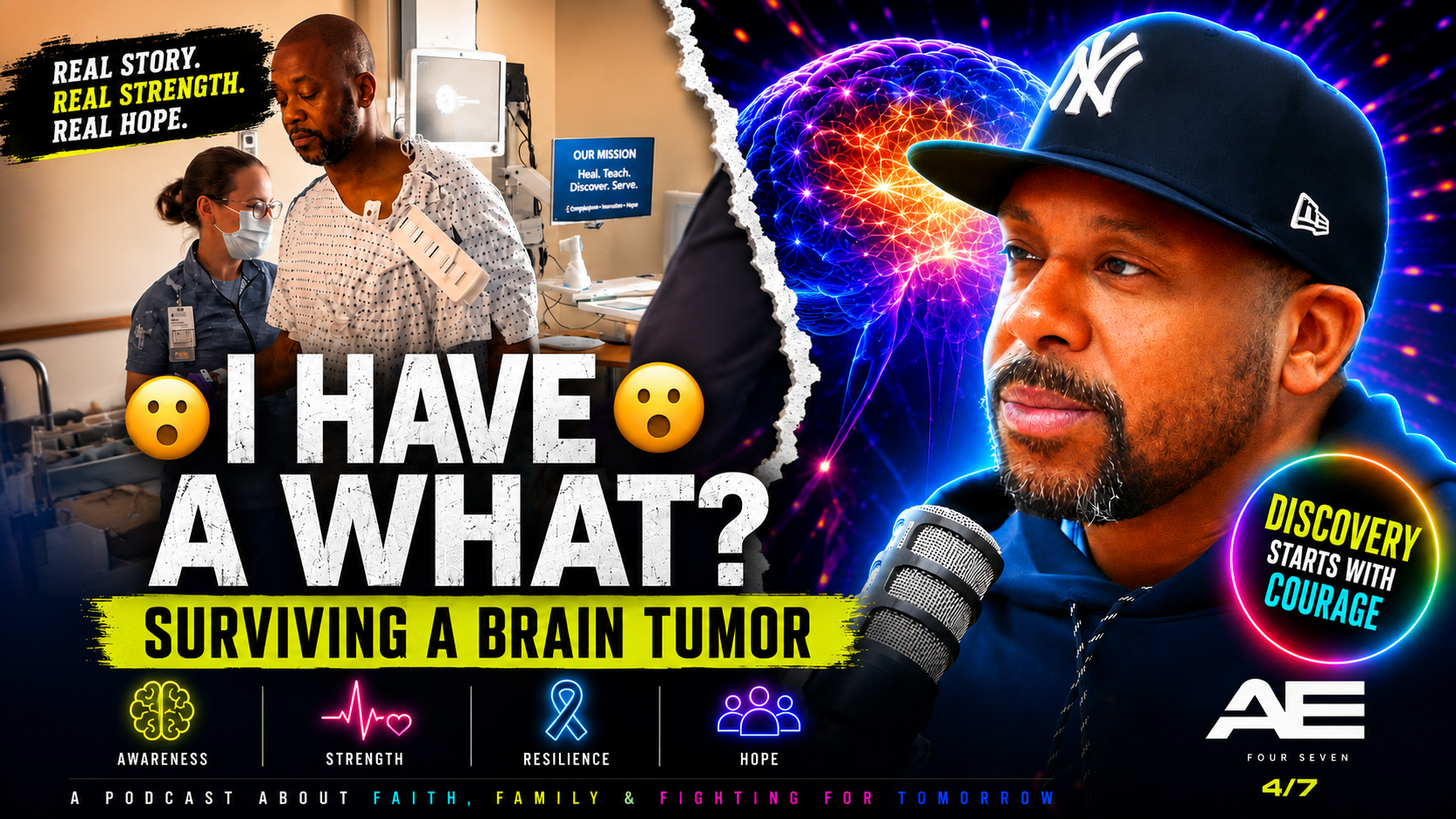

In this episode, I share the emotional tension between my fear and my mom’s faith as I prepared for brain surgery. Her belief in what God could do challenged me in ways I did not understand at the time, but looking back, I realize it was pushing me to face the fear I was trying to hide.