Your Pain Is Real, But So Is the Damage You Cause While Unhealed
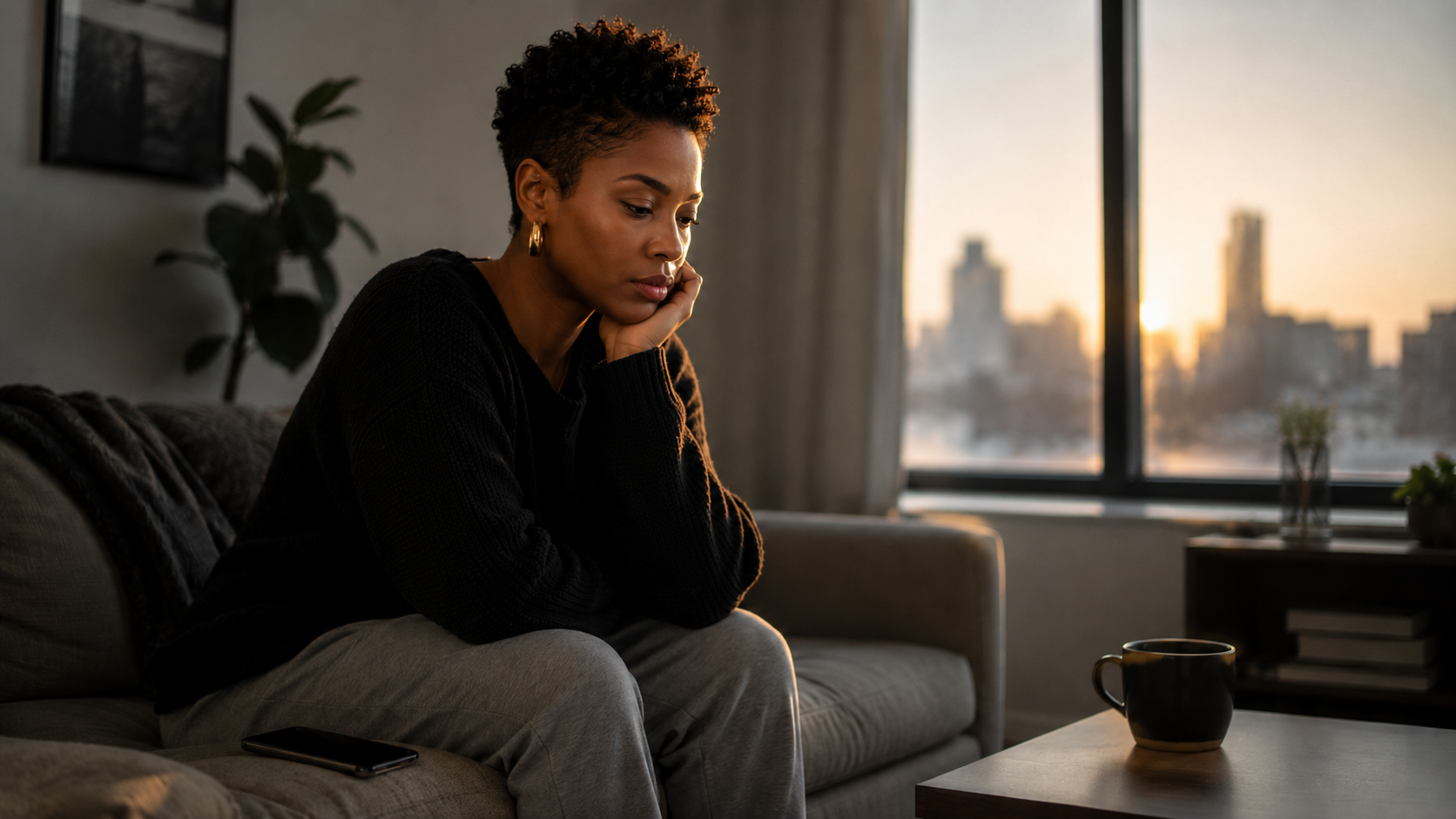
Your pain is real.
What happened to you matters.
The betrayal was real.
The disappointment was real.
The abandonment was real.
The heartbreak was real.
The childhood wounds were real.
The disrespect was real.
The trauma was real.
Nobody should minimize what you went through.
Nobody should tell you to “just get over it” like healing is easy.
Nobody should pretend your pain did not shape how you see people, love people, trust people, and protect yourself.
But here is the truth that will make some people uncomfortable:
Your pain may explain your behavior, but it does not excuse the damage you cause while unhealed.
Being hurt does not give you permission to hurt people.
Being betrayed does not give you permission to become dishonest.
Being abandoned does not give you permission to push away everybody who tries to love you.
Being disappointed does not give you permission to punish people who had nothing to do with what broke you.
At some point, healing requires honesty.
And honesty means admitting that even though you were wounded, you may have also wounded other people.
Pain Can Explain You, But It Cannot Keep Excusing You
There is a difference between understanding your pain and hiding behind it.
Understanding your pain sounds like:
“I know why I react this way, and I am working on it.”
Hiding behind your pain sounds like:
“This is just how I am because of what I went through.”
One leads to growth.
The other keeps you stuck.
Yes, your past may explain why trust is hard. It may explain why you overthink. It may explain why you shut down, lash out, detach, or expect people to leave.
But explanation is not the same as permission.
You do not get to keep hurting people and then use your history as a shield every time someone brings it up.
At some point, “this is what happened to me” has to become “this is what I am healing from.”
Because if you never heal, you will keep making people pay for wounds they did not create.
Unhealed Pain Has a Way of Spilling Onto Innocent People
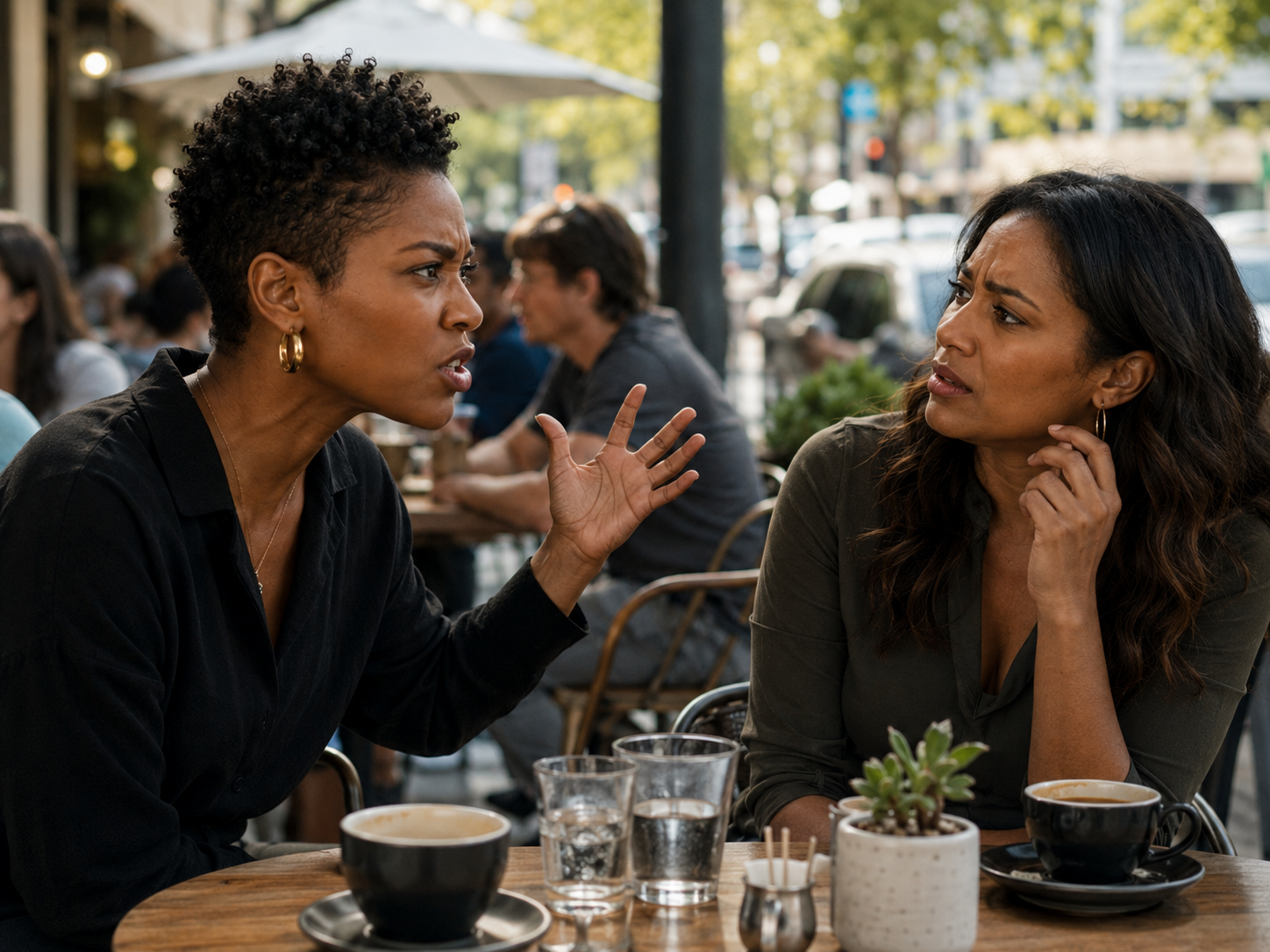
Unhealed pain does not stay contained.
It leaks.
It leaks into your tone.
It leaks into your relationships.
It leaks into your parenting.
It leaks into your friendships.
It leaks into how you respond to correction.
It leaks into how you receive love.
It leaks into how you handle conflict.
It leaks into how you interpret people’s intentions.
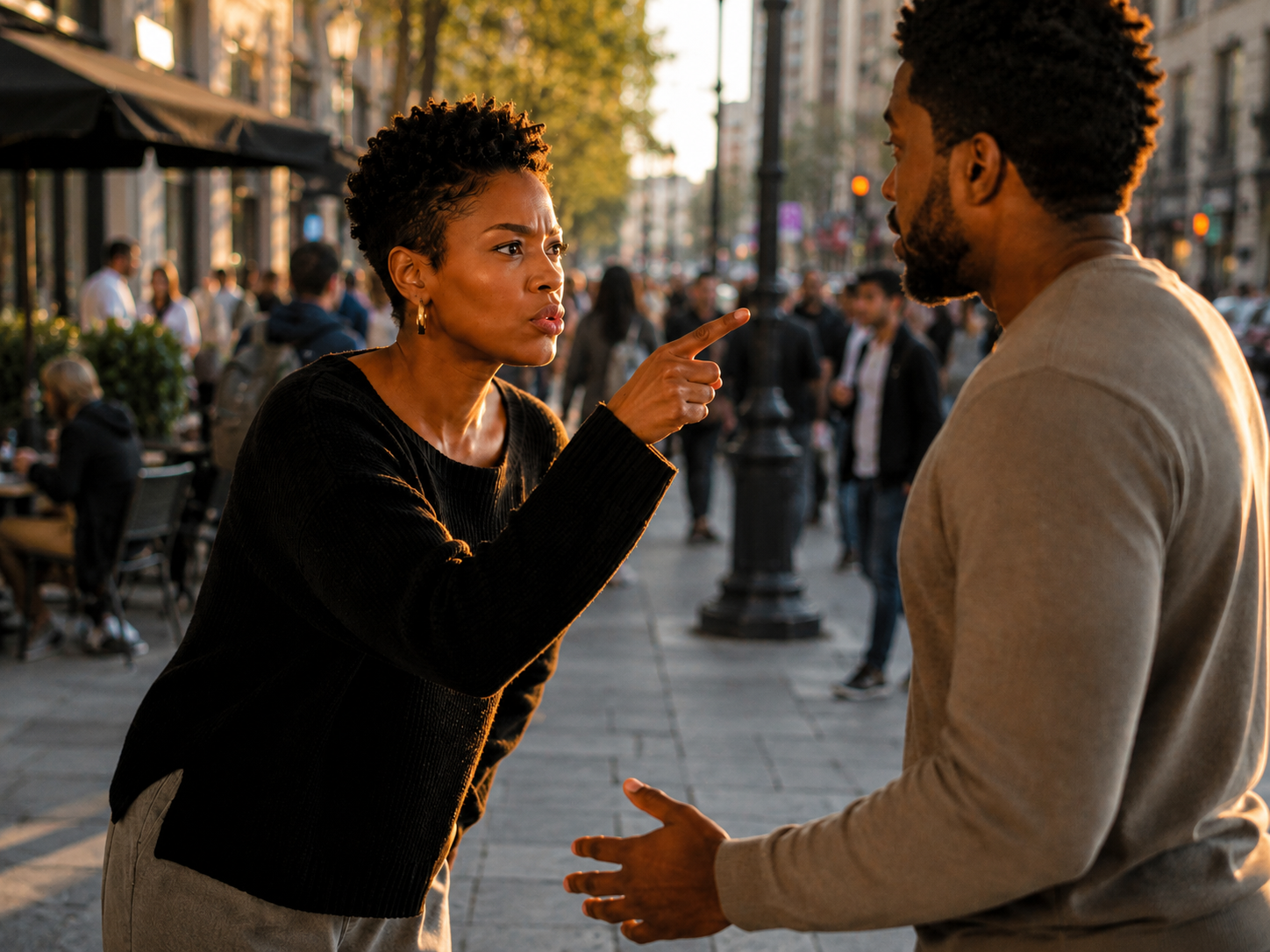
Sometimes people are not attacking you. You are hearing them through an old wound.
Sometimes people are not abandoning you. You are reacting from the fear of being left again.
Sometimes people are not trying to control you. You are remembering a time when someone did.
Sometimes people are not disrespecting you. You are already defensive because life taught you to stay guarded.
And while your reaction may make sense to you, it can still hurt the people around you.
That is why healing matters.
Because unhealed pain can turn innocent people into suspects.
Stop Making People Prove They Are Not the Person Who Hurt You
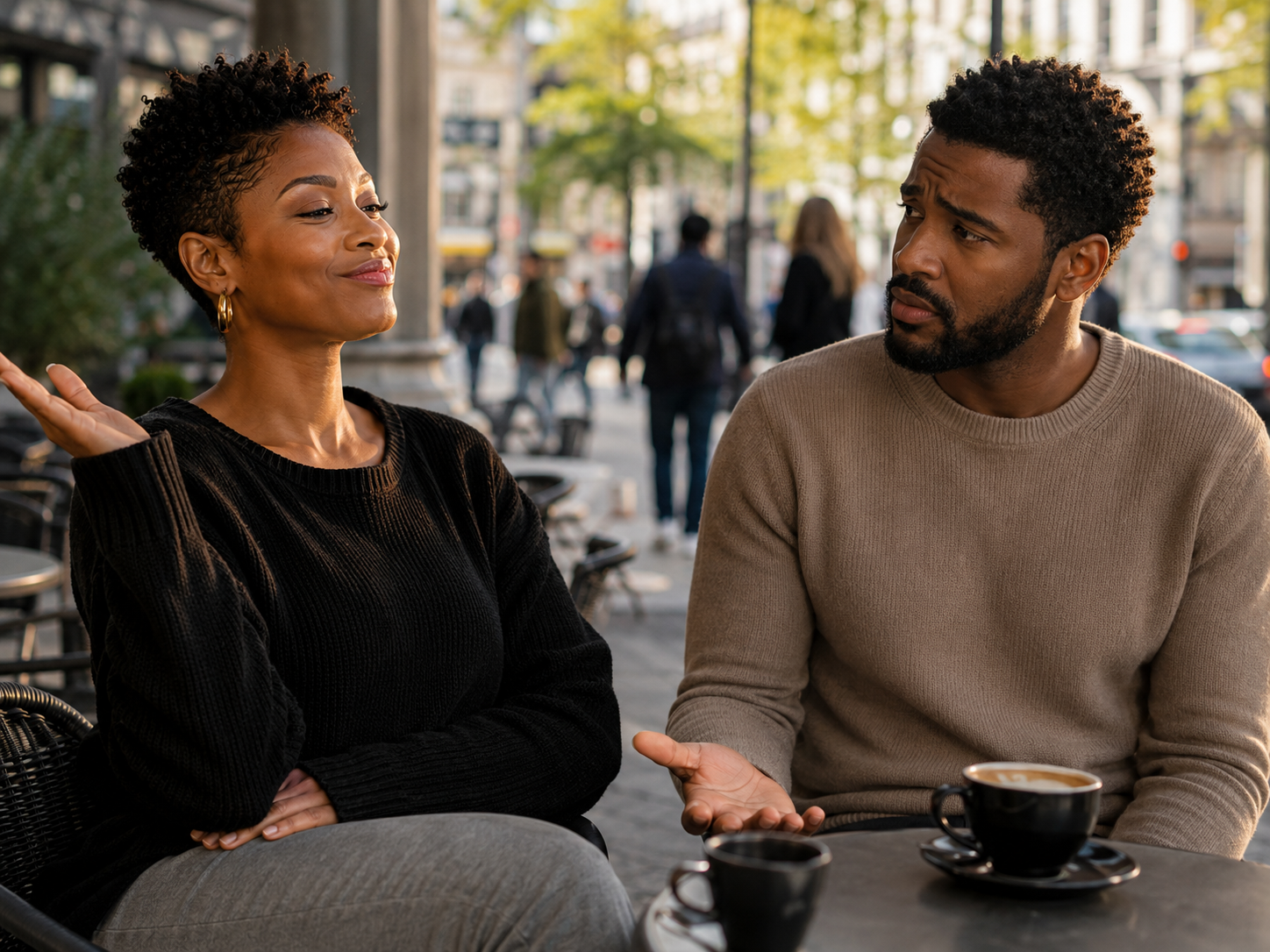
One of the most unfair things you can do is make new people pay for old pain.
Someone new tries to love you, and you test them like they are the person who betrayed you.
Someone tries to communicate, and you shut down because someone else used your vulnerability against you.
Someone shows up consistently, and you still question their motives because someone else left.
Someone disagrees with you, and you treat it like rejection because someone else made you feel unwanted.
That is not discernment.
That is trauma driving the car.
And if you are not careful, you will sabotage the very relationships that were trying to show you something different.
Everybody is not your past.
Everybody is not your ex.
Everybody is not your absent parent.
Everybody is not your fake friend.
Everybody is not the person who lied, cheated, left, used you, embarrassed you, or betrayed your trust.
Some people are actually trying to love you.
But they cannot keep proving themselves to a wound that refuses to heal.
Your Triggers Are Not Everyone Else’s Responsibility
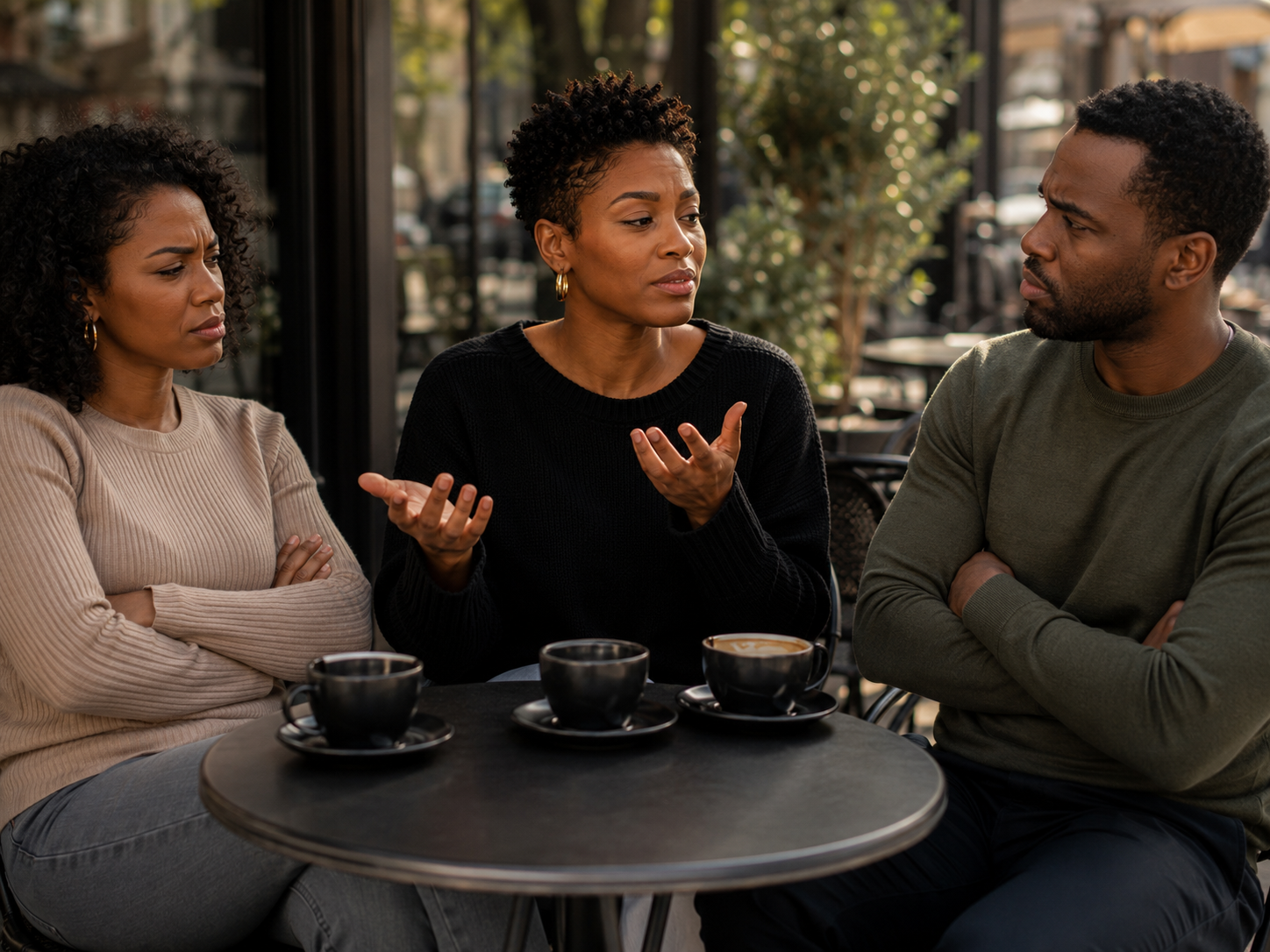
This part may sting.
Your triggers are real, but they are still your responsibility.
People who love you should care about what affects you. They should be mindful. They should not intentionally poke at your wounds or dismiss what you feel.
But they cannot be responsible for managing every reaction you have.
They cannot tiptoe around every insecurity.
They cannot always know what sentence, tone, silence, facial expression, delay, or disagreement will set something off in you.
At some point, you have to learn your own emotional patterns.
You have to ask:
Why did that bother me so deeply?
Did they actually hurt me, or did they remind me of someone who did?
Am I responding to the present, or reacting from the past?
Am I communicating what I need, or expecting people to read my wounds?
Am I asking for love, or demanding emotional control?
Healing means learning to pause before projecting.
It means learning to say, “This triggered something in me,” instead of immediately saying, “You are the problem.”
Being Hurt Does Not Give You the Right to Be Cruel
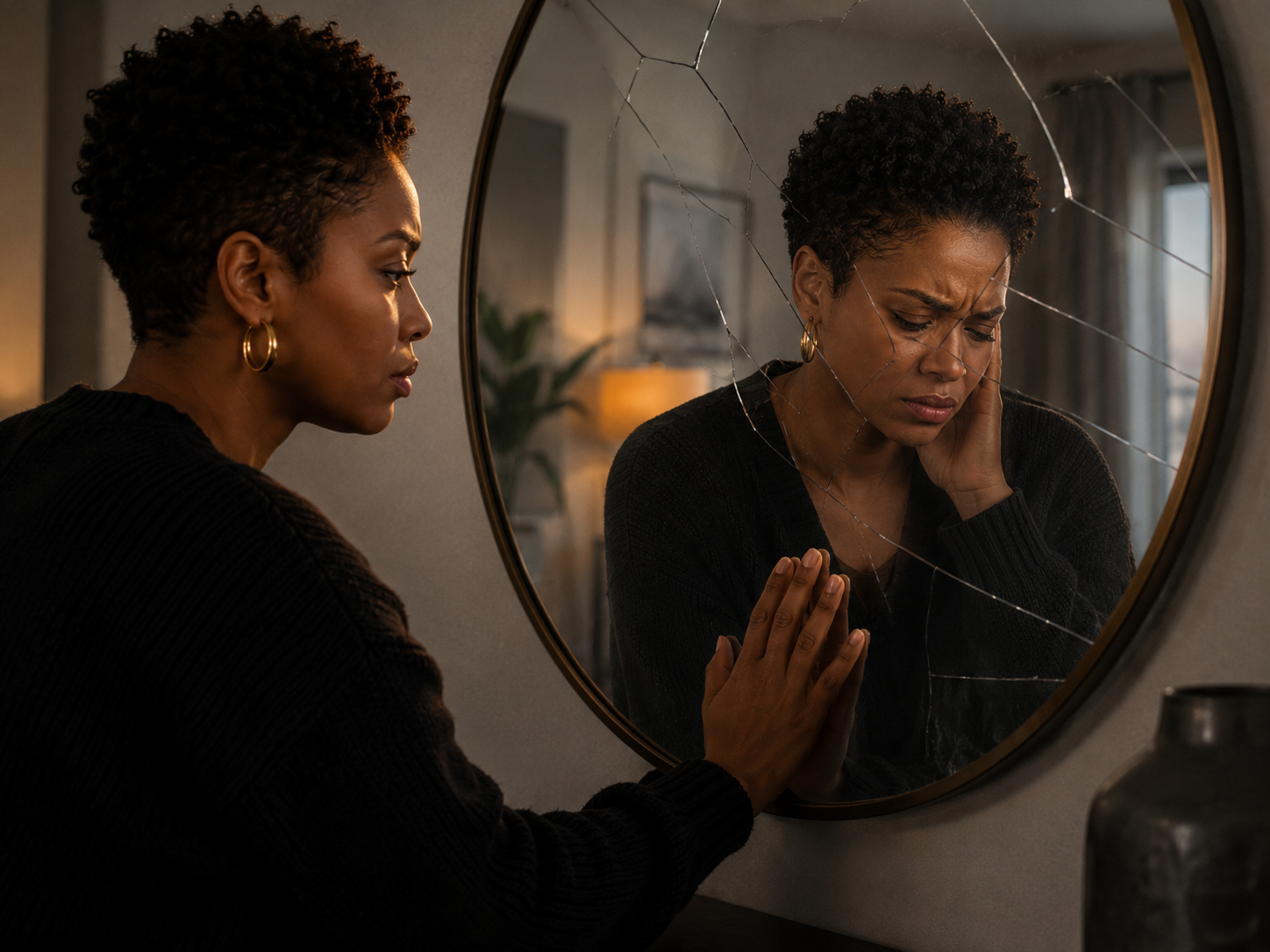
Some people use pain as an excuse to be harsh.
They say whatever they want.
They lash out.
They belittle people.
They manipulate.
They ghost.
They punish with silence.
They withdraw affection.
They make people feel guilty for trying to hold them accountable.
Then when someone calls it out, they say:
“You know what I have been through.”
Yes, but what you have been through does not give you the right to destroy people who are trying to love you.
Pain may explain why your guard is up.
It does not excuse cruelty.
Pain may explain why you are scared.
It does not excuse manipulation.
Pain may explain why you are defensive.
It does not excuse disrespect.
Pain may explain why you struggle with trust.
It does not excuse punishing someone who has been showing up for you.
Your wounds deserve compassion.
But so do the people affected by your unhealed behavior.
Accountability Is Not an Attack

Unhealed people often confuse accountability with rejection.
When someone says, “That hurt me,” they hear, “You are a bad person.”
When someone says, “I need you to take responsibility,” they hear, “You are being judged.”
When someone says, “This pattern is not okay,” they hear, “You are not loved.”
But accountability is not always an attack.
Sometimes accountability is someone giving you a chance to grow before they have to distance themselves.
Sometimes accountability is someone saying, “I love you, but I cannot keep being hurt by you.”
Sometimes accountability is someone asking you to stop bleeding on them while they are trying to help you heal.
If you get defensive every time someone tells you how your behavior affected them, you will never grow past the wound.
You cannot heal while refusing to hear the truth about the damage you cause.
You Can Be a Victim in One Season and Harmful in Another

This is one of the hardest truths to accept.
You can be a victim of what happened to you and still become harmful if you never heal.
Both can be true.
You may have been mistreated, abandoned, betrayed, rejected, or abused.
That deserves compassion.
But if you allow that pain to make you controlling, cruel, dishonest, emotionally unavailable, manipulative, or constantly reactive, then your pain has started creating new pain.
And someone else should not have to lose themselves trying to prove they care about you.
You can deserve empathy for what happened to you and still owe accountability for how you treat people.
Healing requires both.
Compassion for the wound.
Responsibility for the behavior.
Stop Calling It Protection When It Is Really Punishment

Some people say they are protecting themselves, but what they are really doing is punishing others.
They punish people with silence.
They punish people with distance.
They punish people by withholding affection.
They punish people by assuming the worst.
They punish people by making them work overtime to prove they are safe.
Protection says, “I need boundaries so I can heal.”
Punishment says, “You are going to feel the pain someone else caused me.”
Protection is healthy.
Punishment creates more damage.
You are allowed to protect your heart.
You are allowed to set boundaries.
You are allowed to move slowly.
You are allowed to be careful with trust.
But you are not allowed to use your pain as a weapon against people who did not cause it.
Healing Does Not Mean You Were Never Hurt

Some people resist healing because they think healing means minimizing what happened.
It does not.
Healing does not mean it did not hurt.
Healing does not mean they were right.
Healing does not mean you deserved it.
Healing does not mean you forget.
Healing does not mean you let unsafe people back in.
Healing means you stop letting what happened control how you treat people who are trying to love you now.
Healing means you stop giving your past the power to ruin your present.
Healing means you stop building a personality around survival.
Healing means you stop making your wound your identity.
You can honor your pain without living from it forever.
You Cannot Keep Saying “That Is Just How I Am”
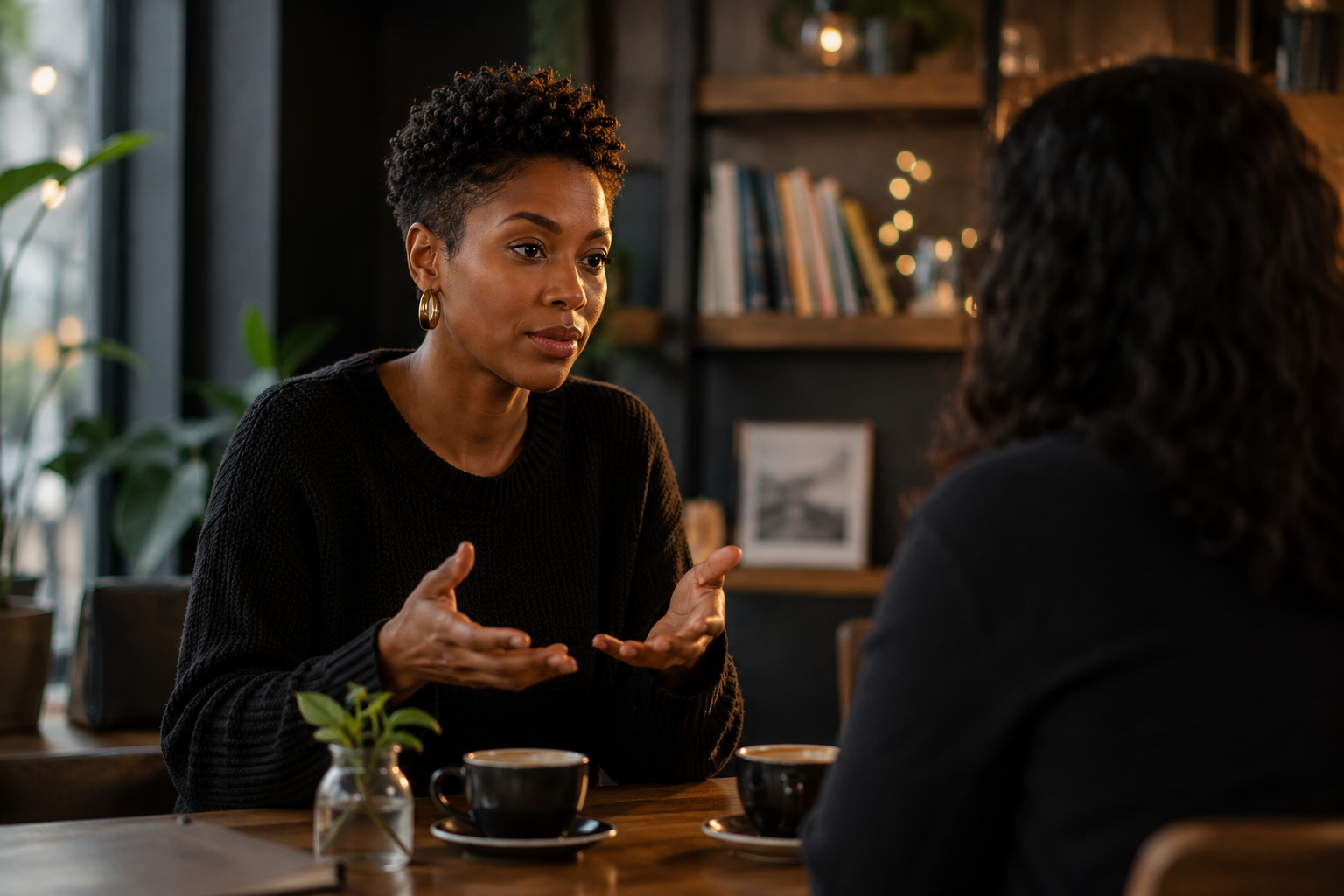
“That is just how I am” has kept too many people from growing.
No, that may be how you learned to survive.
That may be how you learned to protect yourself.
That may be how you learned to avoid pain.
That may be how you learned to stay in control.
But survival habits are not always healthy habits.
You may have learned to shut down because speaking up was not safe.
You may have learned to overreact because nobody listened unless you got loud.
You may have learned to distrust people because trust once cost you.
You may have learned to act like you do not care because caring made you vulnerable.
But what helped you survive one season may be hurting you in the next one.
You are allowed to change.
You are allowed to grow.
You are allowed to say, “This is how I used to be, but I am working on becoming better.”
That is maturity.
The People Around You Should Not Have to Bleed Because You Refuse to Heal
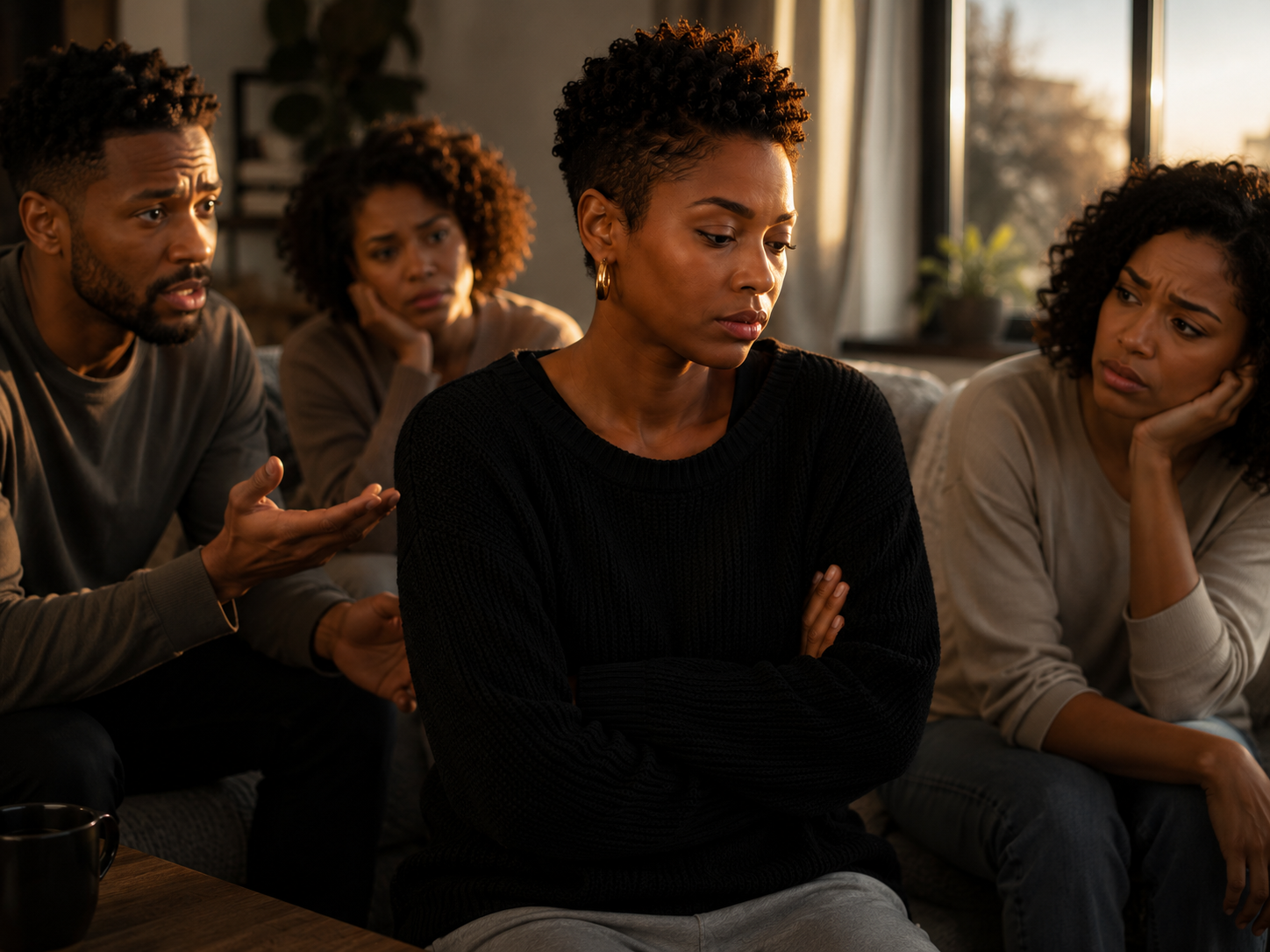
This is the part that may make people defensive.
But it is necessary.
The people who love you should not have to keep absorbing your unhealed pain.
They should not have to constantly guess your mood.
They should not have to apologize for things they did not do.
They should not have to be punished for someone else’s betrayal.
They should not have to lose their voice because your triggers are loud.
They should not have to shrink so your wounds feel safe.
People can love you deeply and still get tired of being damaged by what you refuse to address.
And if you keep making your pain everyone else’s burden, eventually people will start choosing their own peace.
Not because they do not love you.
But because they cannot keep being wounded while trying to help you heal.
Real Healing Requires Responsibility

Healing is not just about feeling better.
Healing is about becoming better.
It is not just about crying.
It is about changing.
It is not just about telling your story.
It is about learning from it.
It is not just about naming what hurt you.
It is about making sure you do not become the person who hurts others in the same spirit.
Real healing requires responsibility.
That may look like therapy.
That may look like prayer.
That may look like journaling.
That may look like apologizing.
That may look like having hard conversations.
That may look like learning emotional regulation.
That may look like taking accountability without falling into shame.
That may look like admitting, “I was hurt, but I also hurt people.”
That sentence is not weakness.
It is growth.
Final Thought

Your pain is real.
But so is the damage you cause while unhealed.
Both truths can exist at the same time.
You deserve compassion for what happened to you.
But the people around you deserve consideration for how your pain affects them.
You do not have to be perfect.
You do not have to be fully healed overnight.
You do not have to pretend you are okay.
But you do have to take responsibility for what your pain is producing.
Because healing is not just about protecting yourself from being hurt again.
It is also about making sure you do not become someone who hurts others because you never healed.
You are not responsible for what broke you.
But you are responsible for what you do with the broken pieces.
Have you ever realized your pain was causing you to hurt people who did not deserve it?
Get More Inspiration