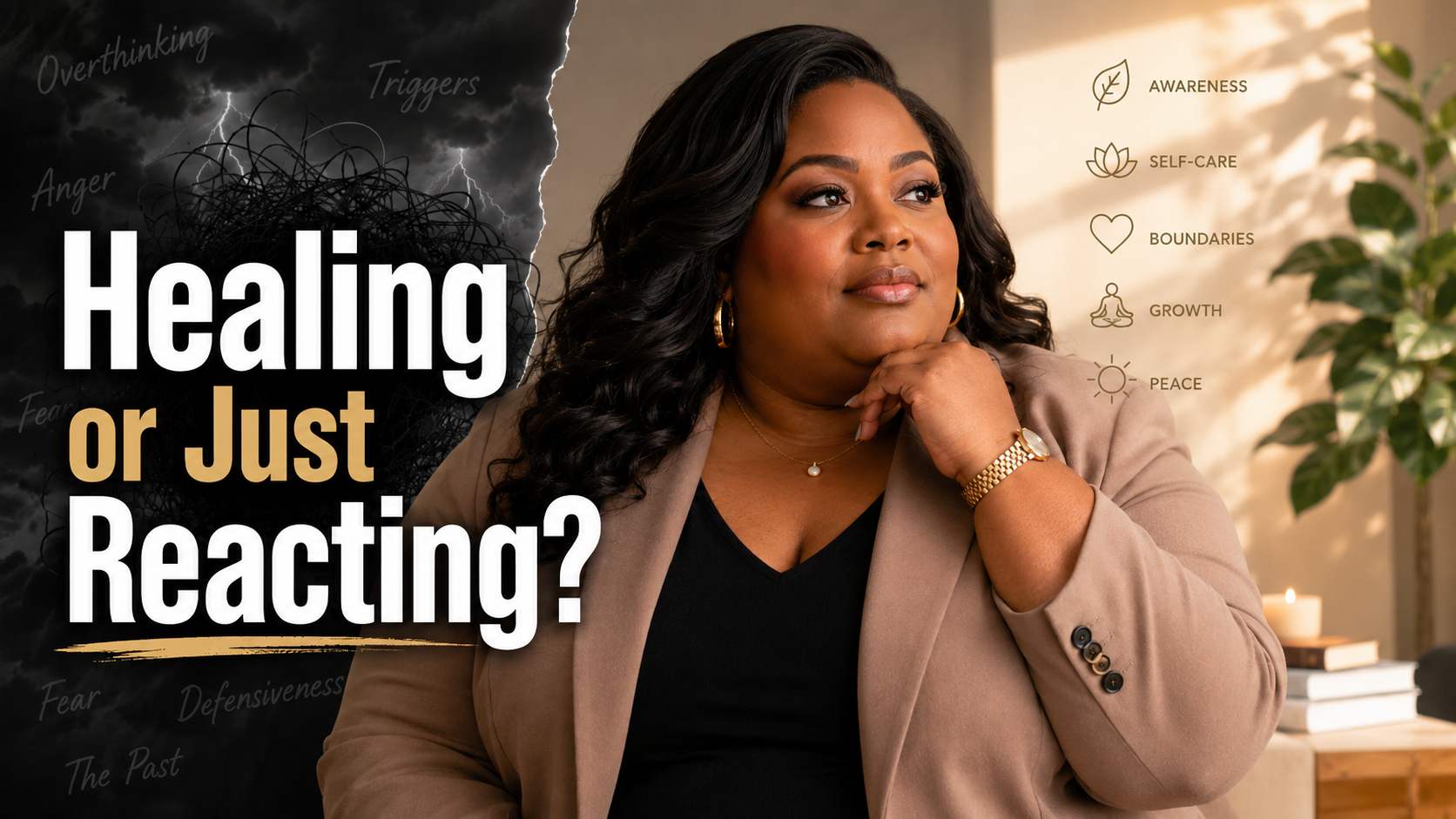
You May Not Be the Cycle Breaker, You May Be the New Version of the Same Problem
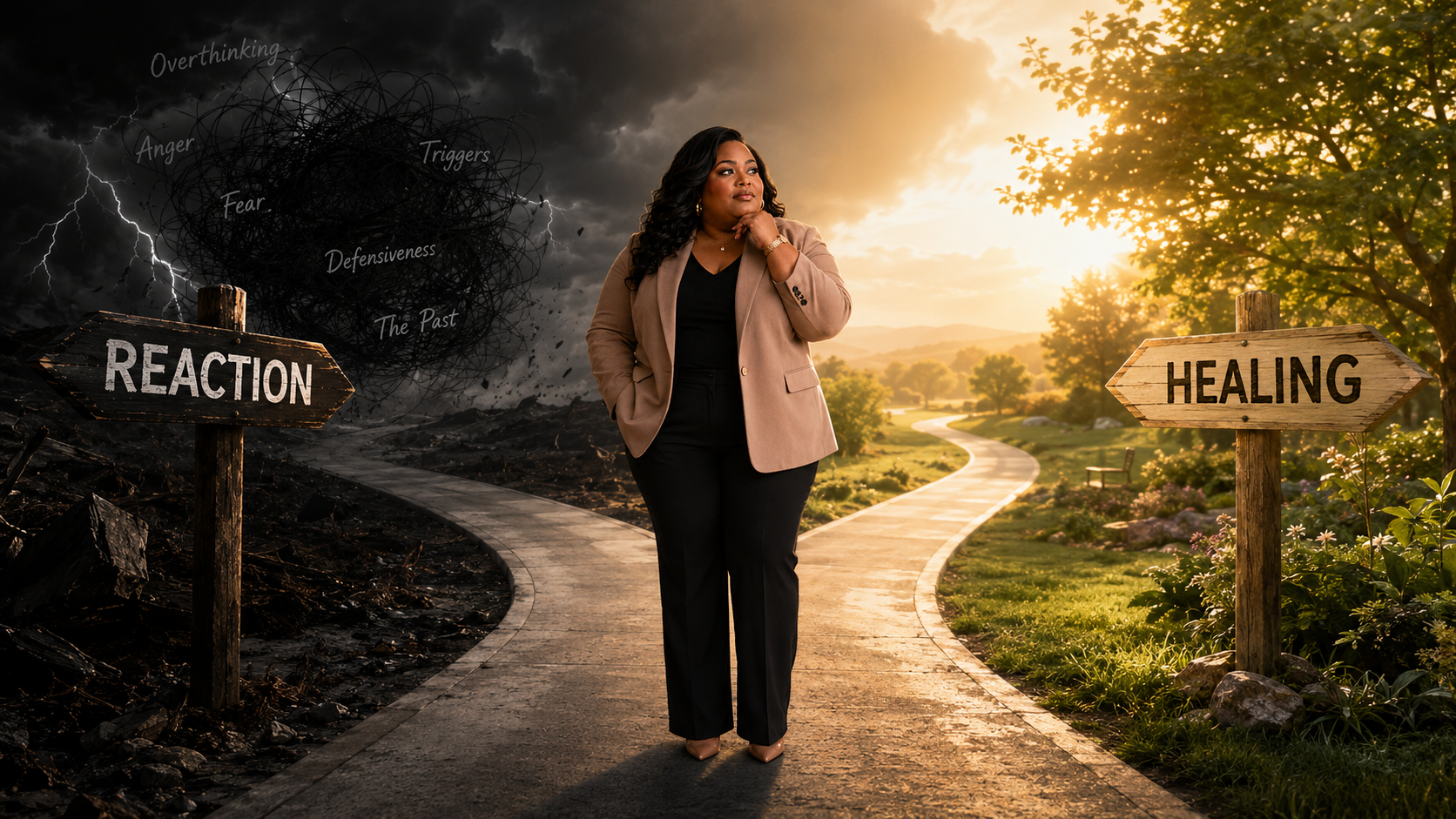
Some people are not breaking the cycle.
They are just remixing it.
They are not becoming healthier.
They are becoming the opposite of what hurt them and calling that healing.
That is a hard sentence to sit with.
But it is necessary.
Because doing the opposite of your parents does not automatically mean you are doing what is healthy.
Sometimes it just means your pain picked a different direction.
If your parents were too strict, you may become too permissive.
If your family never talked about feelings, you may over-explain every emotion until nobody can breathe.
If money was controlled, you may spend recklessly just to feel free.
If your home had no boundaries, you may become so guarded that nobody can get close to you.
You may not be breaking the cycle.
You may be building a newer, cleaner, more acceptable version of the same dysfunction.
And the answer to the central question is this:
You are breaking the cycle when your choices come from wisdom, healing, and accountability. You are repeating the cycle when your choices are mostly reactions to pain.
That is the difference.
Not how different you look from your parents.
Not how loudly you say, “I will never be like them.”
Not how much language you have learned about trauma, boundaries, peace, and healing.
The real question is simple:
Are you building something healthy, or are you just rejecting what hurt you?
The Opposite of Dysfunction Is Not Always Health
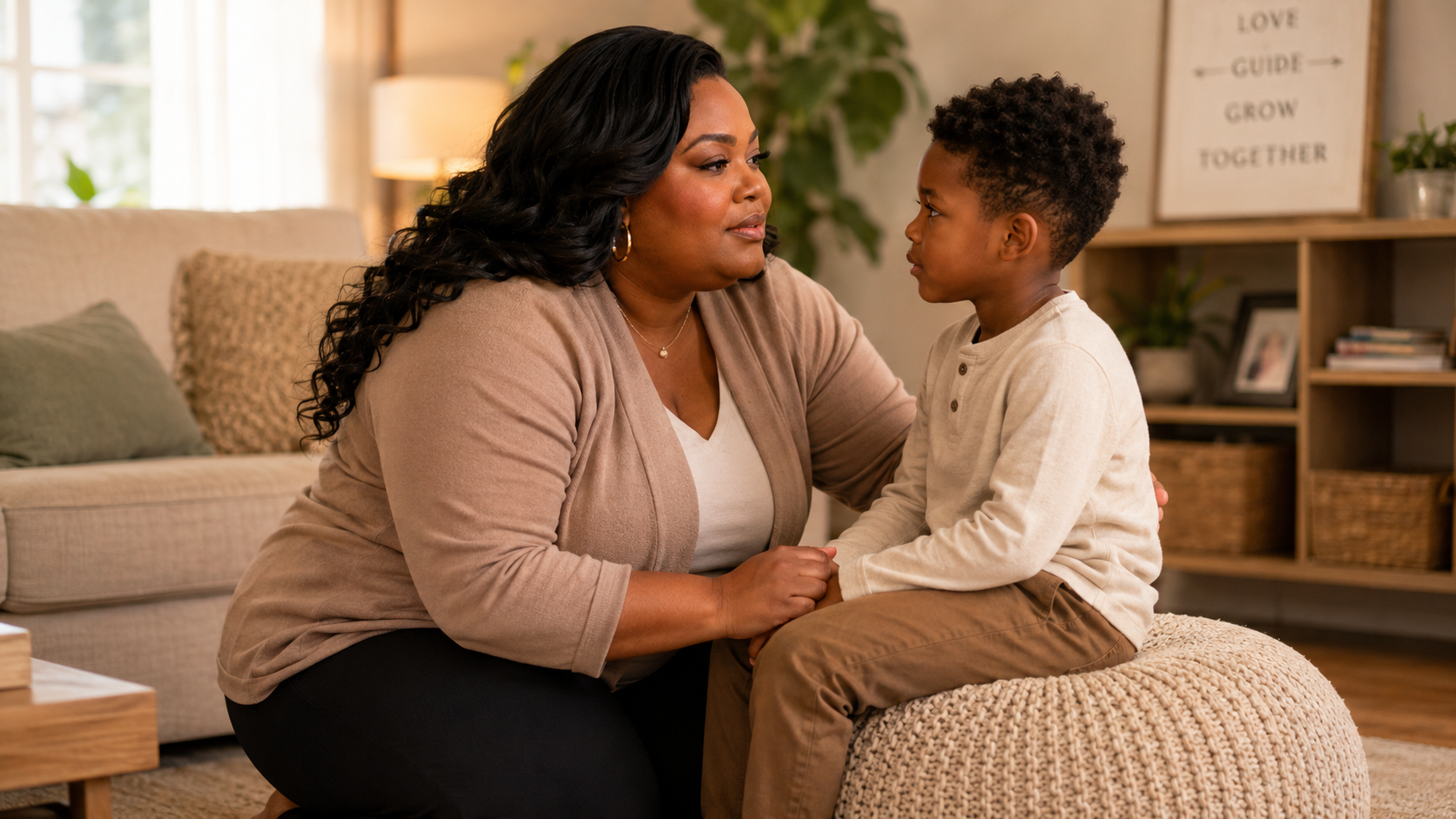
A lot of people think healing means going in the opposite direction.
But sometimes the opposite ditch is still a ditch.
If you grew up in a house where children were silenced, you may now let your children speak with no respect.
If you grew up with parents who never apologized, you may now apologize for everything, even when accountability is needed.
If you grew up around conflict, you may now avoid every hard conversation and call it peace.
If you grew up with people who stayed loyal no matter how toxic things got, you may now cut people off too quickly and call it boundaries.
That is not always healing.
Sometimes that is pain trying to protect itself.
And pain can protect you from one danger while pushing you into another.
“I’m Nothing Like My Parents” Is Not the Same as Growth

Some people are proud because they are nothing like the people who raised them.
But being different does not automatically mean you are better.
You can be less loud and still emotionally unavailable.
You can be more affectionate and still lack discipline.
You can be more open-minded and still have no structure.
You can be more generous and still be financially irresponsible.
You can be calmer and still avoid everything that needs to be addressed.
You can be the opposite and still be unhealthy.
That is why real growth cannot only ask, “What did they do wrong?”
Real growth has to ask, “What does healthy actually look like?”
Because if your whole identity is built around not being like them, you are still letting their dysfunction lead your life.
Just from the other side.
Parenting: Love Without Structure Can Still Create Damage
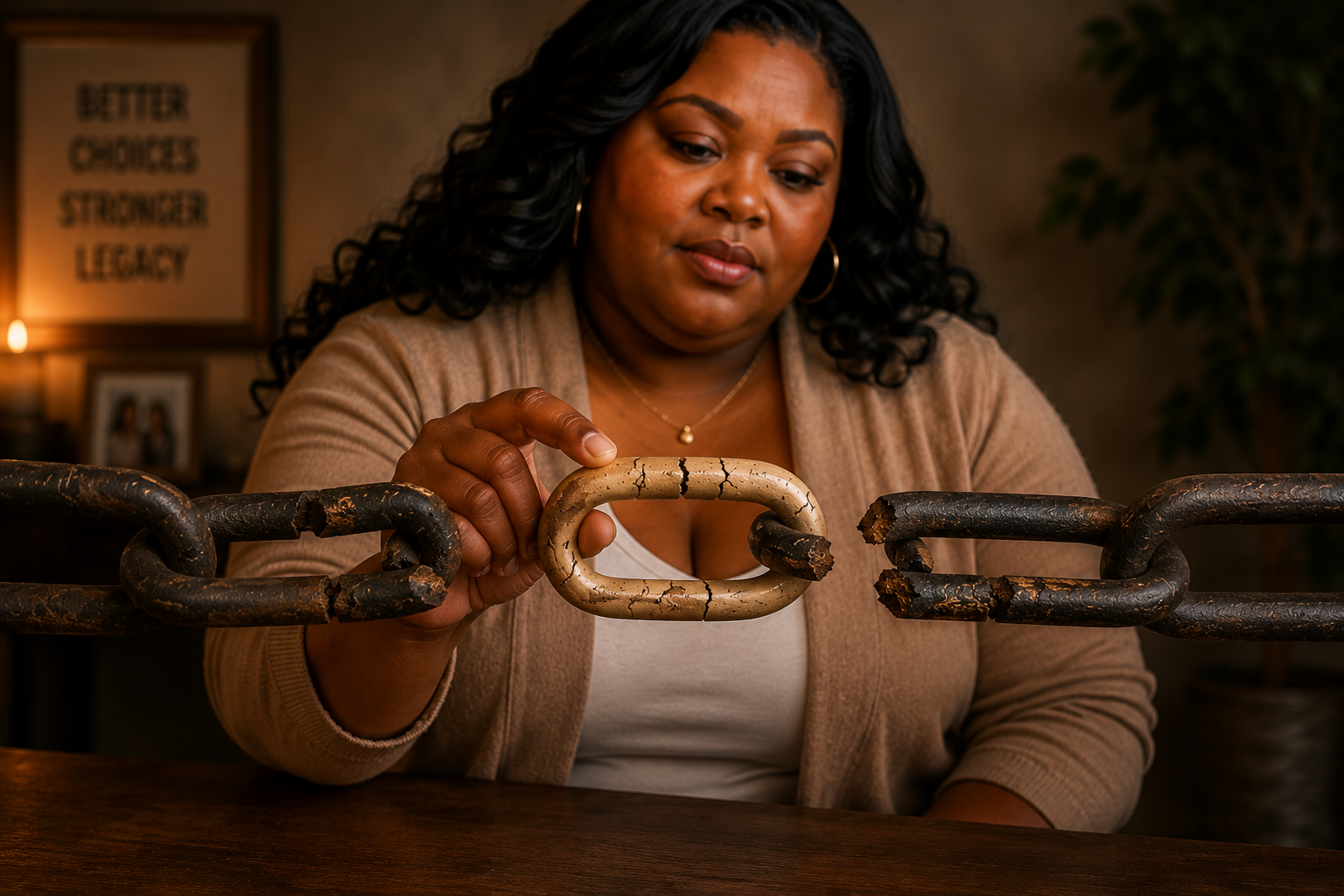
Some people grew up in homes where discipline felt harsh, cold, or unfair.
So now they say, “I will never discipline my children like that.”
That can be a beautiful decision.
But here is where it gets tricky.
Some people confuse gentle parenting with no parenting.
They confuse listening with letting children lead the house.
They confuse emotional safety with the absence of correction.
They confuse not yelling with not setting standards.
A child does not need fear to grow.
But a child still needs structure.
A child does not need shame to learn.
But a child still needs accountability.
A child does not need control.
But a child still needs guidance.
If your parents ruled through fear, the answer is not to raise children with no boundaries.
The answer is to raise children with love, structure, patience, correction, and emotional safety.
That is balance.
That is maturity.
That is cycle breaking.
Communication: Talking More Does Not Mean You Communicate Better
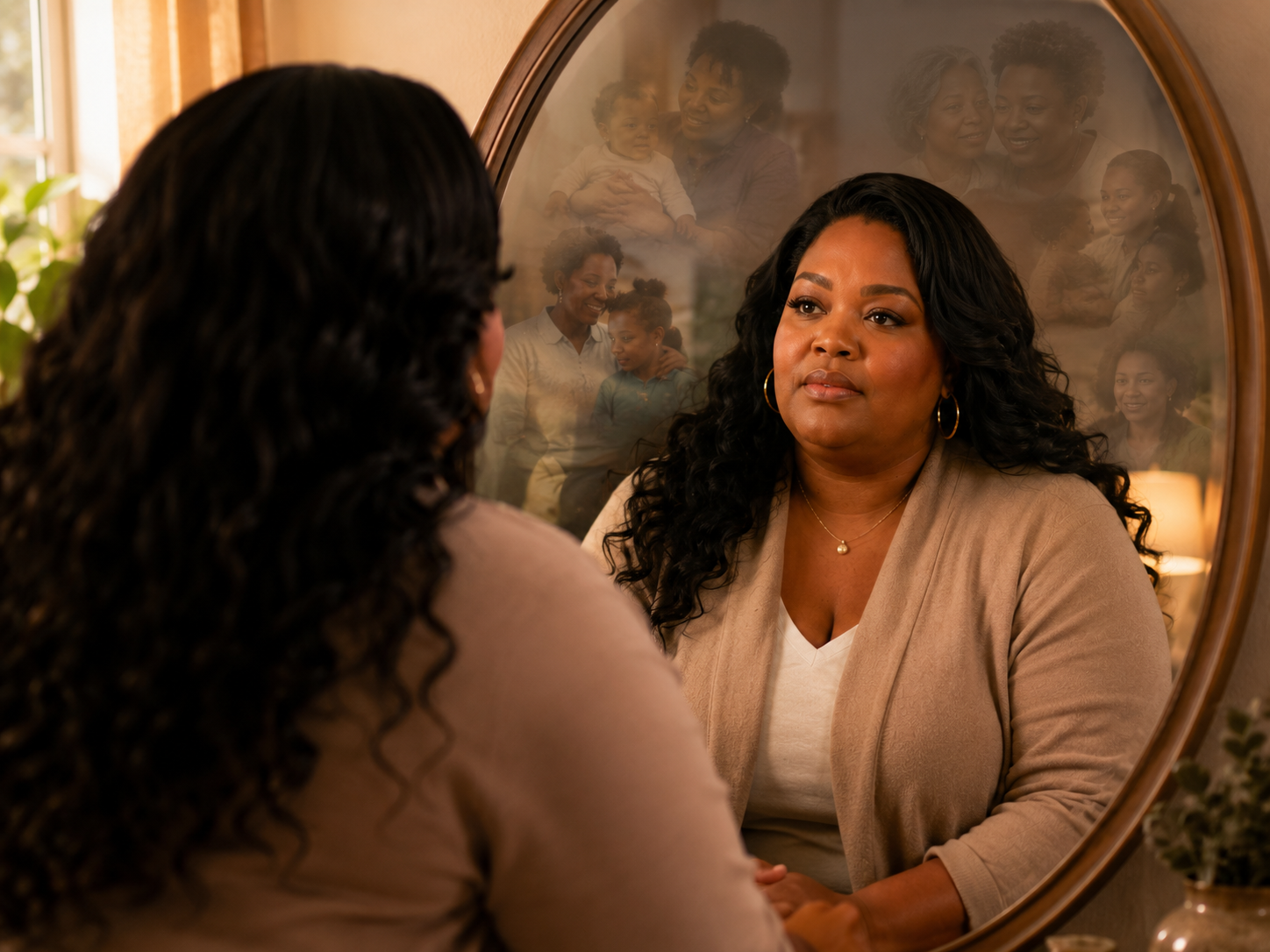
Some families never talked about anything.
They swept pain under the rug.
They ignored problems.
They acted like silence was strength.
So now you may pride yourself on talking about everything.
But talking is not automatically communication.
Some people talk to be heard, not to understand.
Some people over-explain because silence feels unsafe.
Some people turn every small issue into a deep emotional meeting.
Some people use “I’m just expressing myself” as permission to emotionally flood everyone around them.
That is not healthy communication.
That is unregulated pain with better vocabulary.
Healthy communication is not just saying everything you feel.
It is knowing when to speak, how to speak, what needs to be said, and what needs to be processed before it becomes somebody else’s burden.
Money: Financial Freedom Is Not Reckless Spending

Maybe you grew up watching money be used as control.
Maybe bills were always a fight.
Maybe your family made you feel guilty for needing things.
Maybe there was never enough, and now that you have some, you want to enjoy it.
That makes sense.
But be careful.
Because sometimes people escape financial fear and walk straight into financial chaos.
They say, “I deserve this.”
They say, “I never had this growing up.”
They say, “I’m not going to live scared like my parents.”
But then they spend without planning.
They avoid budgeting because it feels restrictive.
They confuse discipline with deprivation.
They treat every purchase like emotional repair.
That is not freedom.
That is pain swiping a card.
Real financial healing is not being cheap.
And it is not being careless.
It is learning to manage money without fear, shame, control, or denial.
Discipline: Being Softer Does Not Mean Having No Standards
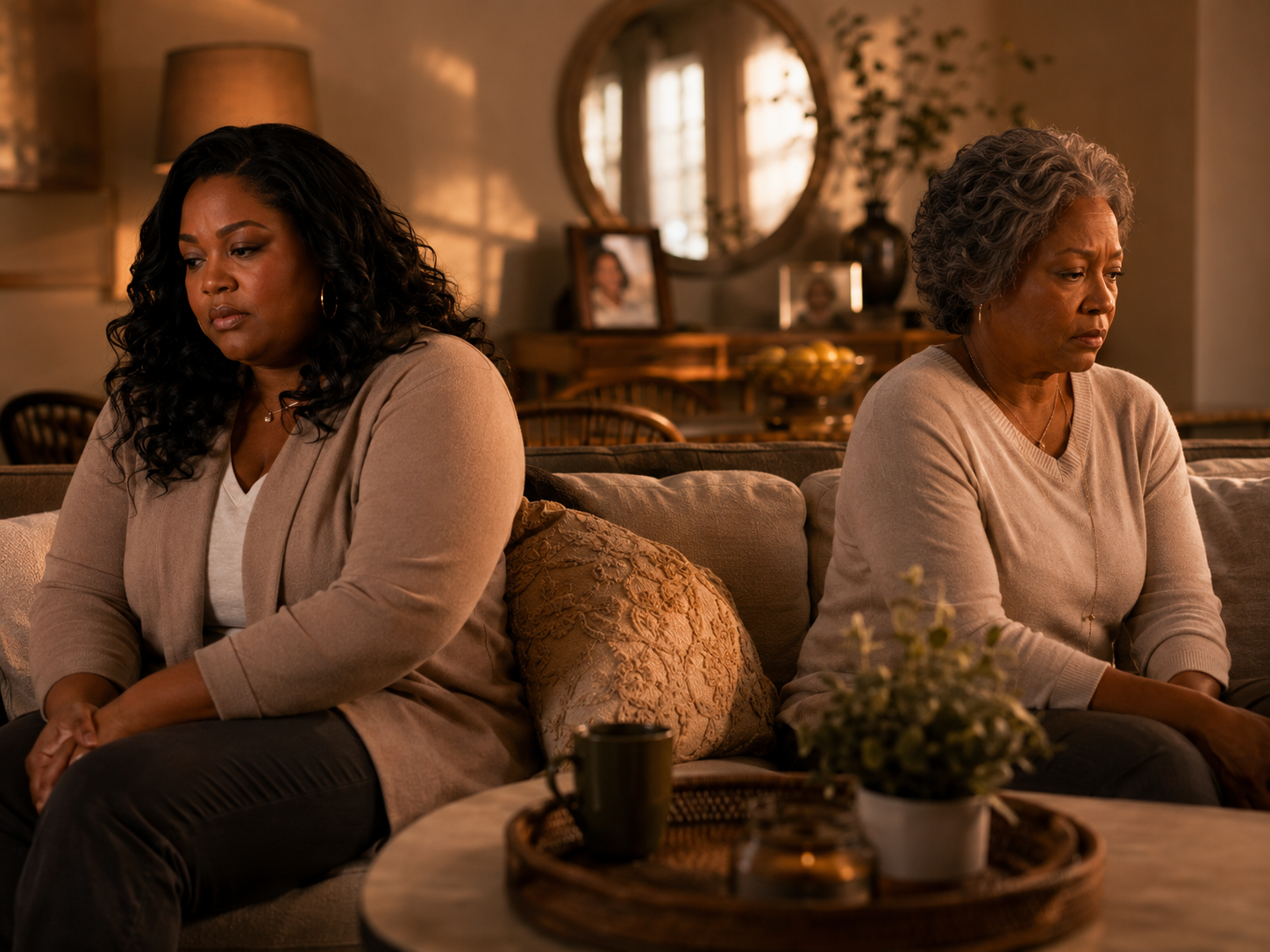
Some people grew up around harsh discipline.
So now they reject discipline completely.
But discipline is not the enemy.
Abuse is the enemy.
Control is the enemy.
Humiliation is the enemy.
Discipline, when it is healthy, is love with direction.
Discipline says, “I care enough to help you grow.”
Discipline says, “Your choices matter.”
Discipline says, “You are loved, but you are not exempt from responsibility.”
This applies to children.
But it also applies to adults.
Some of us are undisciplined because structure reminds us of pain.
We resist routines.
We resist correction.
We resist accountability.
We resist being told the truth.
Then we call it freedom.
But freedom without discipline eventually becomes disorder.
Relationships: Choosing Different People Does Not Mean You Are Choosing Better
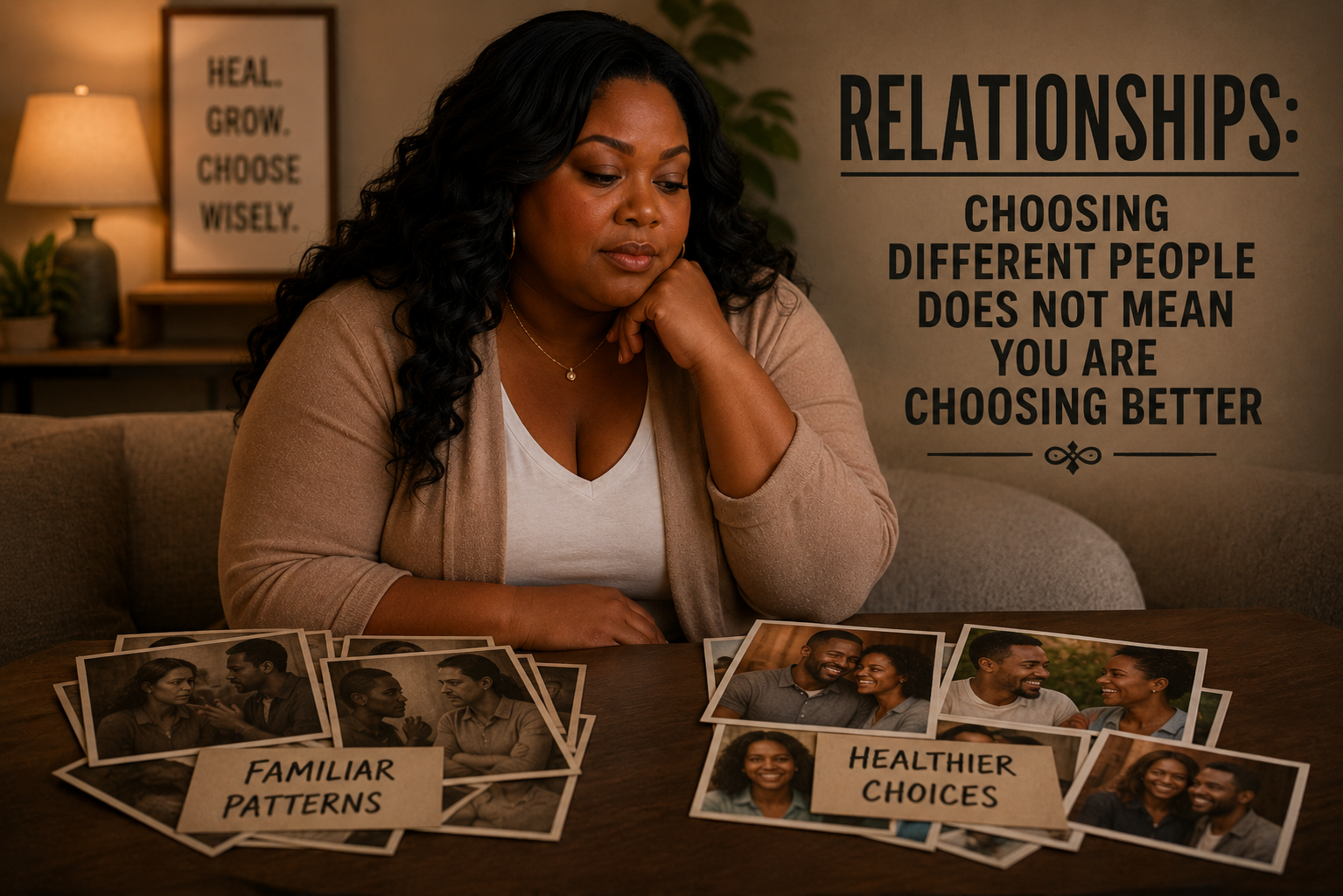
Some people saw unhealthy marriages, broken trust, emotional distance, cheating, disrespect, or survival-based relationships.
So they promised themselves, “I will never accept that.”
Good.
But sometimes pain makes your standards loud and your wisdom quiet.
You may reject anyone who reminds you of the past, but still choose people who feed your wounds in different ways.
You may avoid controlling partners but choose emotionally unavailable ones.
You may avoid people who argue but choose people who never communicate.
You may avoid instability but choose someone safe who you do not actually love.
You may avoid being abandoned by becoming the one who leaves first.
That is not healing.
That is fear making relationship decisions.
Healthy love is not just different from what you saw.
Healthy love is honest, safe, consistent, accountable, patient, and emotionally mature.
Emotional Availability: Feeling Everything Is Not the Same as Being Emotionally Healthy
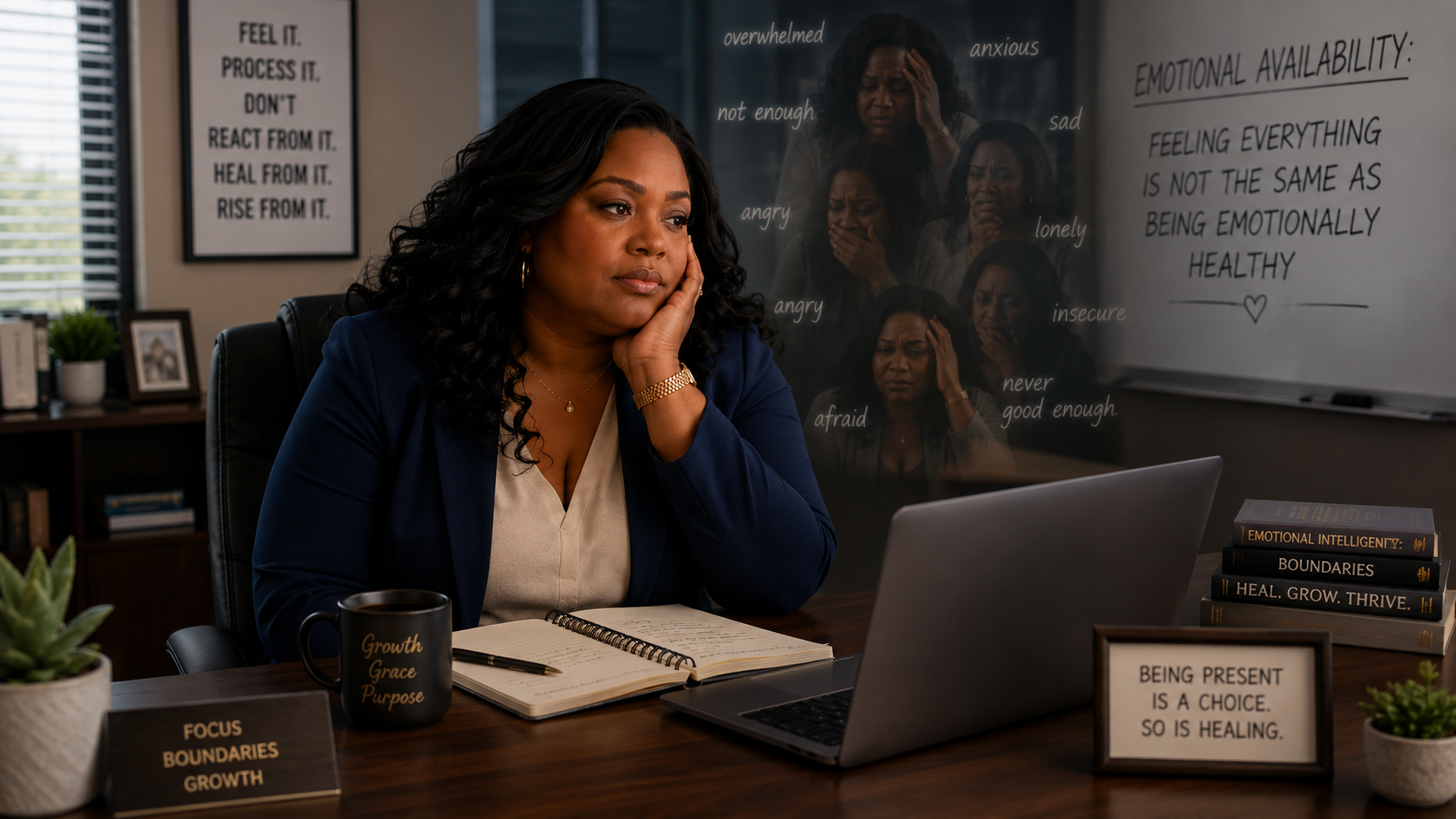
Some people grew up with emotionally unavailable parents.
No affection.
No deep conversations.
No check-ins.
No safe place to cry.
So now they want to be emotionally present.
That is powerful.
But emotional availability still needs wisdom.
Because some people go from emotional neglect to emotional overwhelm.
They want constant reassurance.
They want immediate responses.
They want everyone to talk about feelings on demand.
They expect their partner, children, friends, or family to carry emotions they have not learned to regulate.
That is not emotional availability.
That is emotional dependency.
Being emotionally healthy means you can feel deeply without making everyone around you responsible for stabilizing you.
It means you can say, “I am hurt,” without punishing people.
It means you can say, “I need support,” without demanding control.
It means you can be vulnerable without becoming destructive.
Boundaries: A Wall Is Not a Boundary
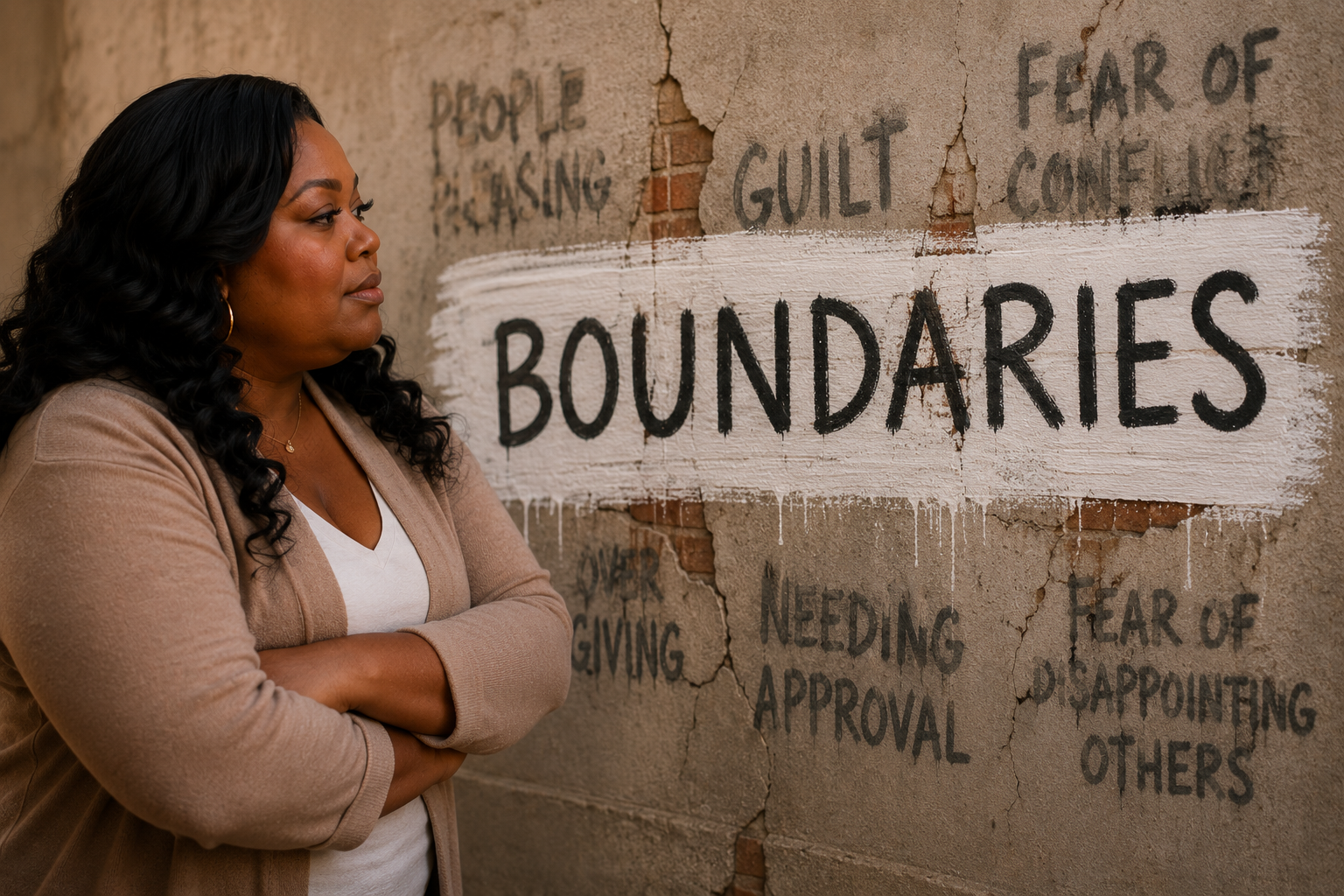
A lot of people learned the word “boundaries” and finally found language for what they never had.
That is good.
Some of you needed boundaries years ago.
Some of you were overused, manipulated, guilted, drained, and expected to show up even when you were empty.
But we also have to tell the whole truth.
Some people are not setting boundaries.
They are building walls.
They are not protecting peace.
They are avoiding intimacy.
They are not limiting access.
They are punishing people for old wounds.
They say, “I’m protecting myself,” but never ask if they are also isolating themselves.
A boundary says, “This is what I need to remain healthy.”
A wall says, “Nobody is getting close enough to hurt me again.”
Those are not the same thing.
One is wisdom.
The other is fear wearing armor.
Conflict Avoidance: Peace Is Not the Same as Silence
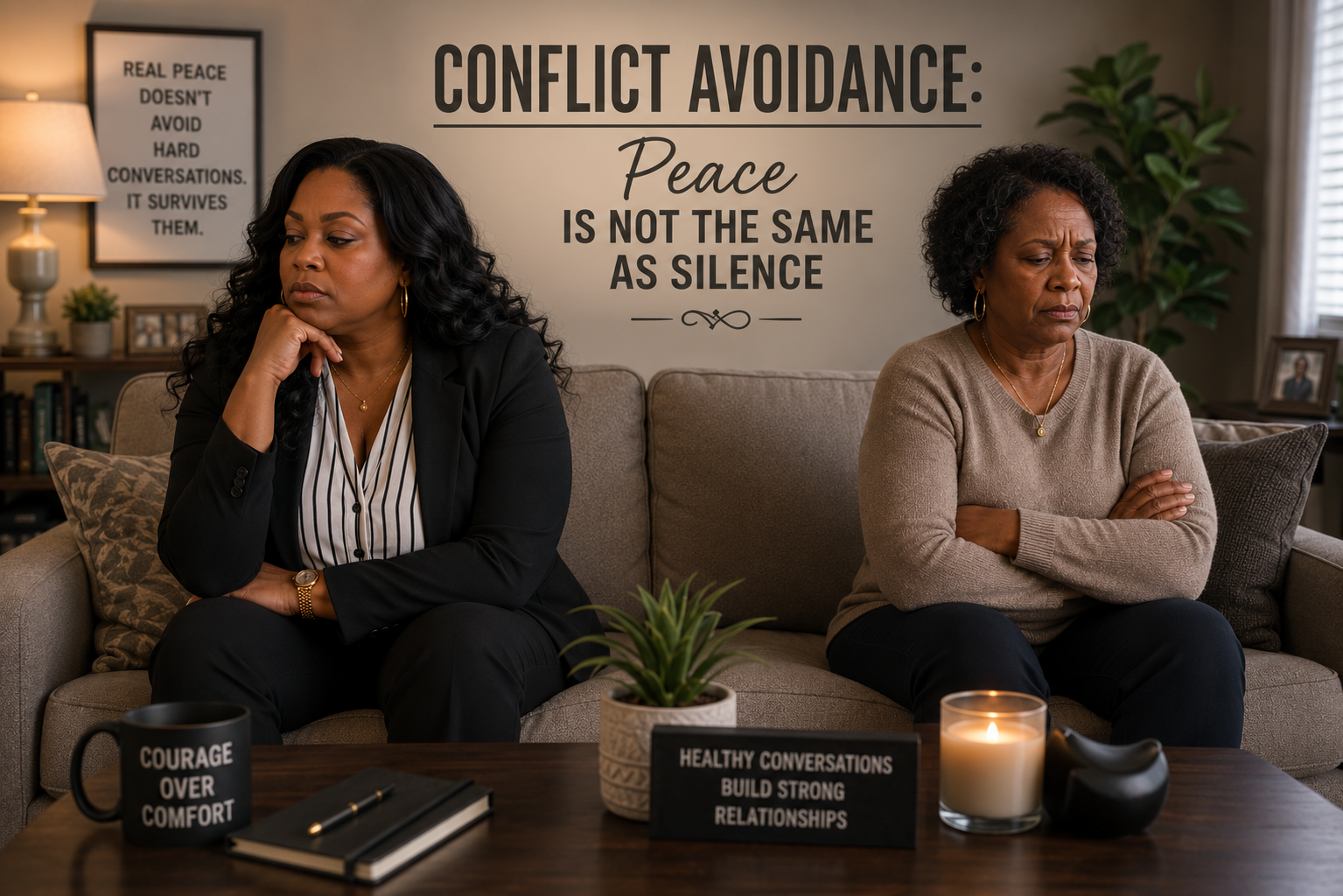
If you grew up around yelling, arguing, slamming doors, insults, or chaos, conflict may feel dangerous to you.
So now you avoid it.
You shut down.
You say, “I don’t want drama.”
You disappear when conversations get uncomfortable.
You call yourself peaceful because you do not argue.
But avoiding conflict is not the same as creating peace.
Sometimes peace requires a hard conversation.
Sometimes love requires honesty.
Sometimes maturity requires you to stay present when your nervous system wants to run.
Silence can look calm while resentment grows underneath it.
Avoidance can look mature while problems rot in the dark.
Real peace is not the absence of conflict.
Real peace is the presence of truth, respect, repair, and responsibility.
Family Loyalty: Breaking Cycles Does Not Mean Becoming Cruel
Some families use loyalty as a weapon.
They expect silence.
They protect dysfunction.
They call you disrespectful when you tell the truth.
They confuse love with obedience.
So when people start healing, they may pull back.
That may be necessary.
But be careful not to let healing turn into contempt.
You do not have to hate your family to outgrow a pattern.
You do not have to shame your parents to tell the truth about your pain.
You do not have to destroy every family connection to prove you are free.
Some distance is wisdom.
Some distance is survival.
Some distance is necessary for peace.
But some distance is also unresolved pain that never learned how to have a healthy relationship with imperfect people.
Only you can examine which one is true.
Your Parents May Have Been Wounded Too

This is not about blaming parents.
And it is not about excusing harm.
Both can be true.
Your parents may have hurt you.
And your parents may have been hurt before they ever had the language to explain it.
They may have parented from survival.
They may have loved you with limited tools.
They may have repeated what they saw.
They may have been emotionally immature, overwhelmed, afraid, wounded, or unhealed.
That does not erase what happened.
But it may help you stop turning your healing into hatred.
Because the goal is not to become bitter with better boundaries.
The goal is to become whole.
Ask Yourself What Is Leading You: Wisdom or Reaction?
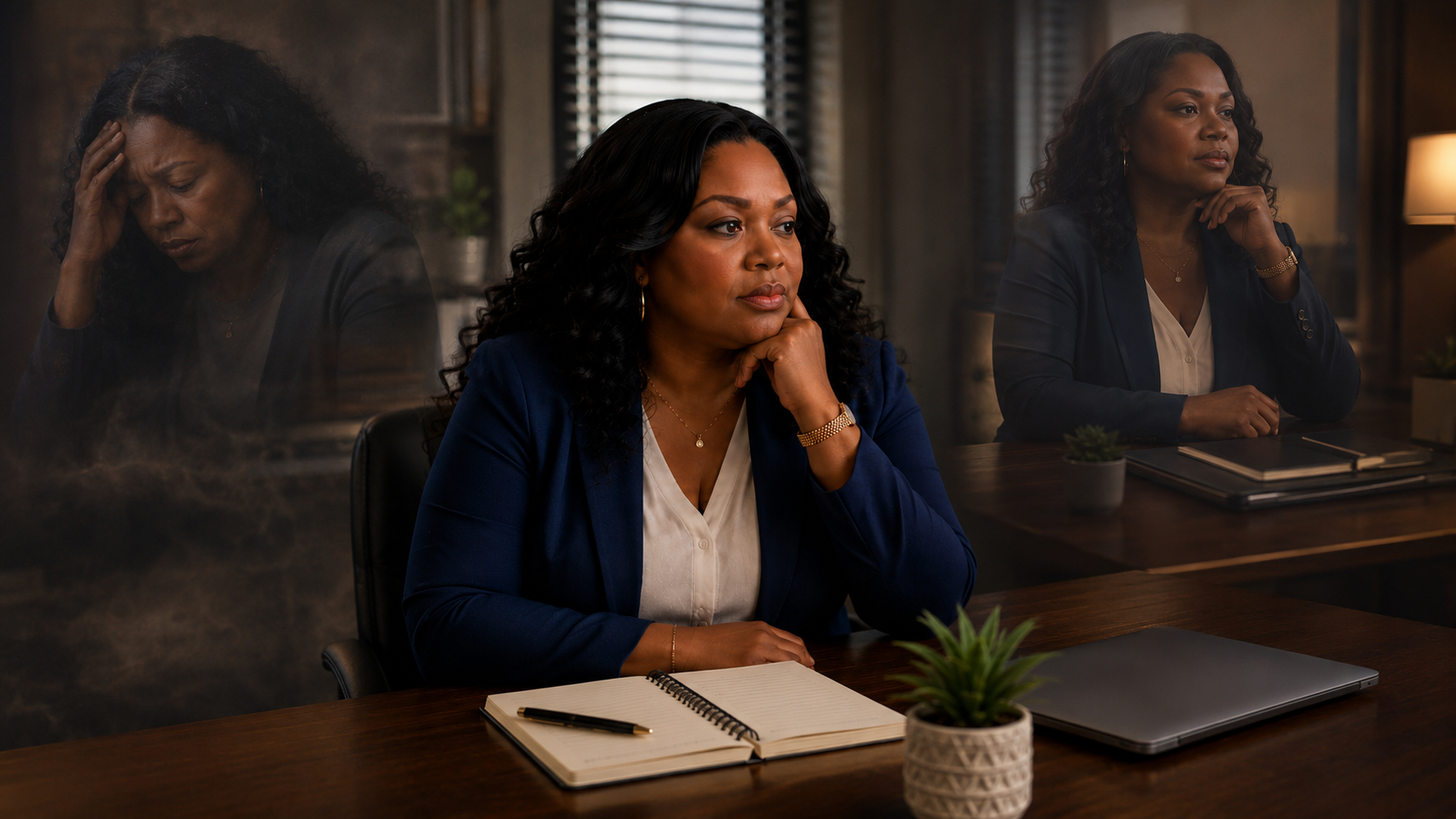
This is where the real work begins.
Ask yourself:
Am I choosing this because it is healthy, or because it is the opposite of what hurt me?
Am I setting this boundary from peace, or from fear?
Am I parenting this way because it is wise, or because I am trying to prove I am not like my parents?
Am I avoiding this conversation because it is not worth it, or because conflict scares me?
Am I spending this money because it aligns with my values, or because my inner child wants proof that we are not poor anymore?
Am I being loyal because it is love, or because I am scared to disappoint people?
Am I cutting someone off because they are unsafe, or because closeness makes me uncomfortable?
These questions are not meant to shame you.
They are meant to locate you.
Because you cannot heal what you keep justifying.
Real Cycle Breakers Build, They Do Not Just Reject
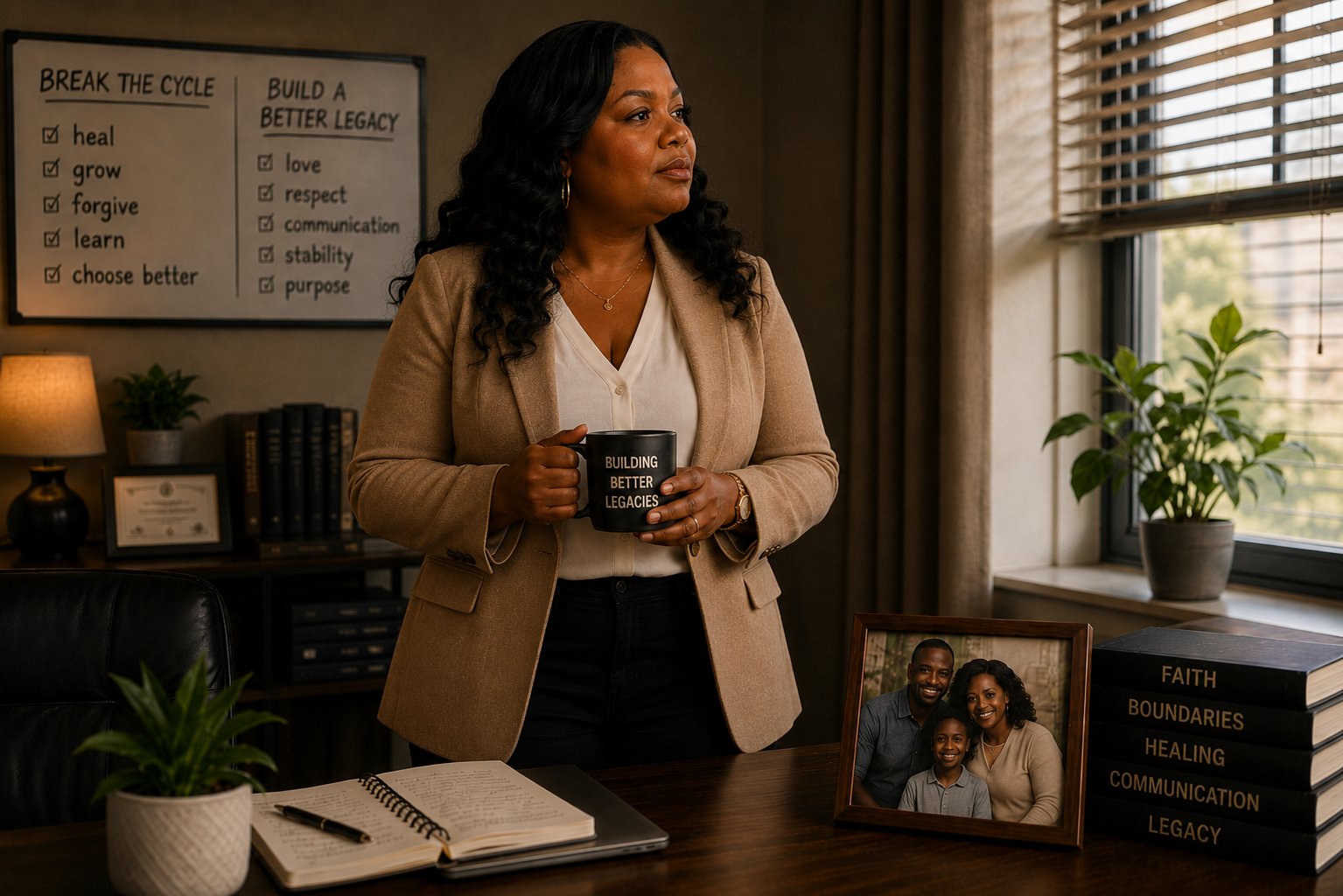
Breaking cycles is not just saying, “I will not do what they did.”
That is only the beginning.
Real cycle breakers build new patterns.
They learn emotional regulation.
They apologize without collapsing into shame.
They discipline without cruelty.
They love without control.
They set boundaries without becoming cold.
They communicate without attacking.
They rest without guilt.
They handle money without fear or recklessness.
They honor family without protecting dysfunction.
They tell the truth without becoming disrespectful.
They heal without pretending the pain never happened.
That is the work.
Not just rejecting the old house.
But learning how to build a healthier one.
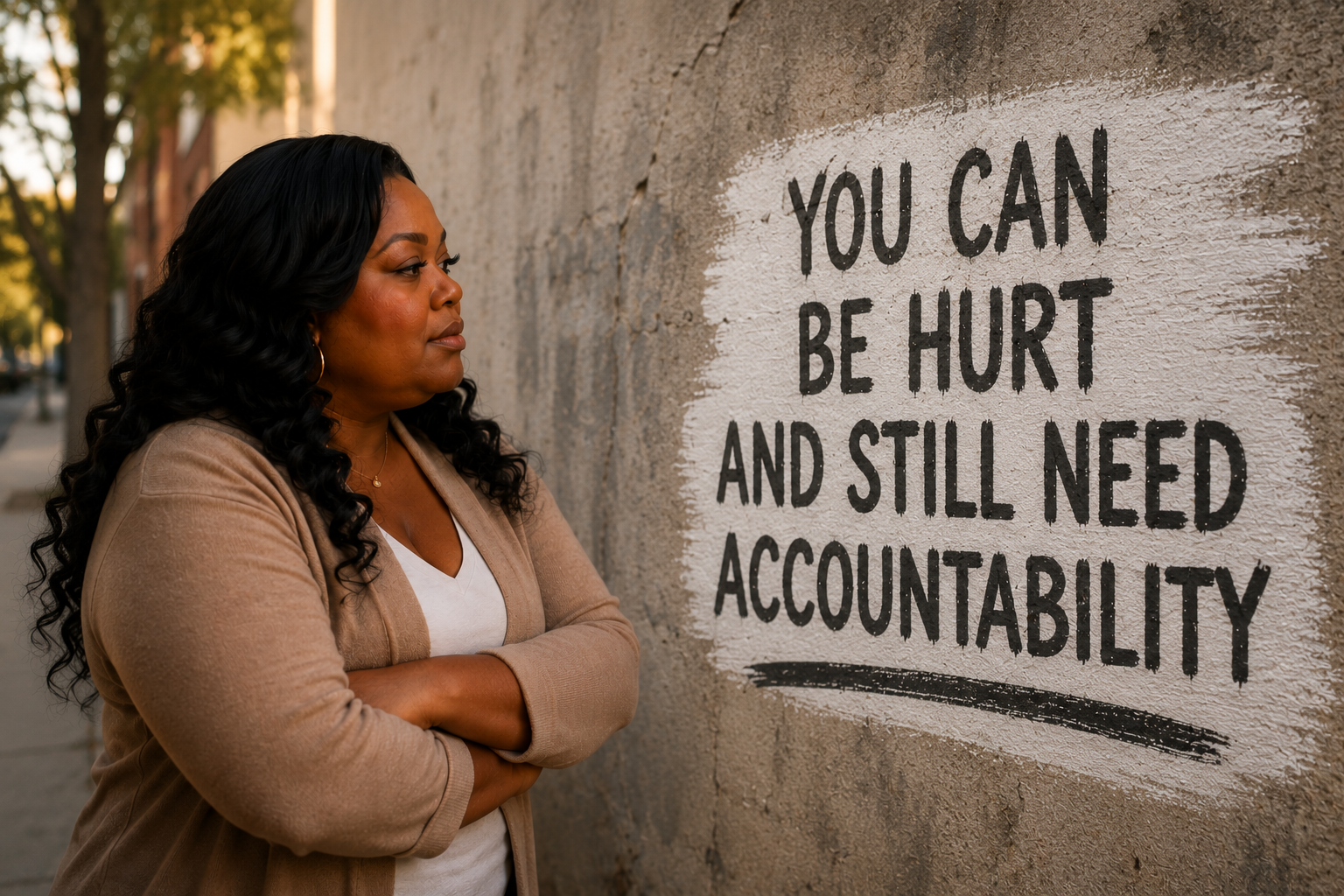
You Can Be Hurt and Still Need Accountability
This part may be uncomfortable.
But healing requires it.
You can be a survivor and still have patterns that need correction.
You can have childhood pain and still be responsible for your adult behavior.
You can be triggered and still owe someone an apology.
You can have been mistreated and still need to examine how you treat others.
That does not make you bad.
That makes you human.
Accountability is not shame.
Accountability is how healing becomes real.
Final Thought: Do Not Become a Cleaner Version of What Hurt You
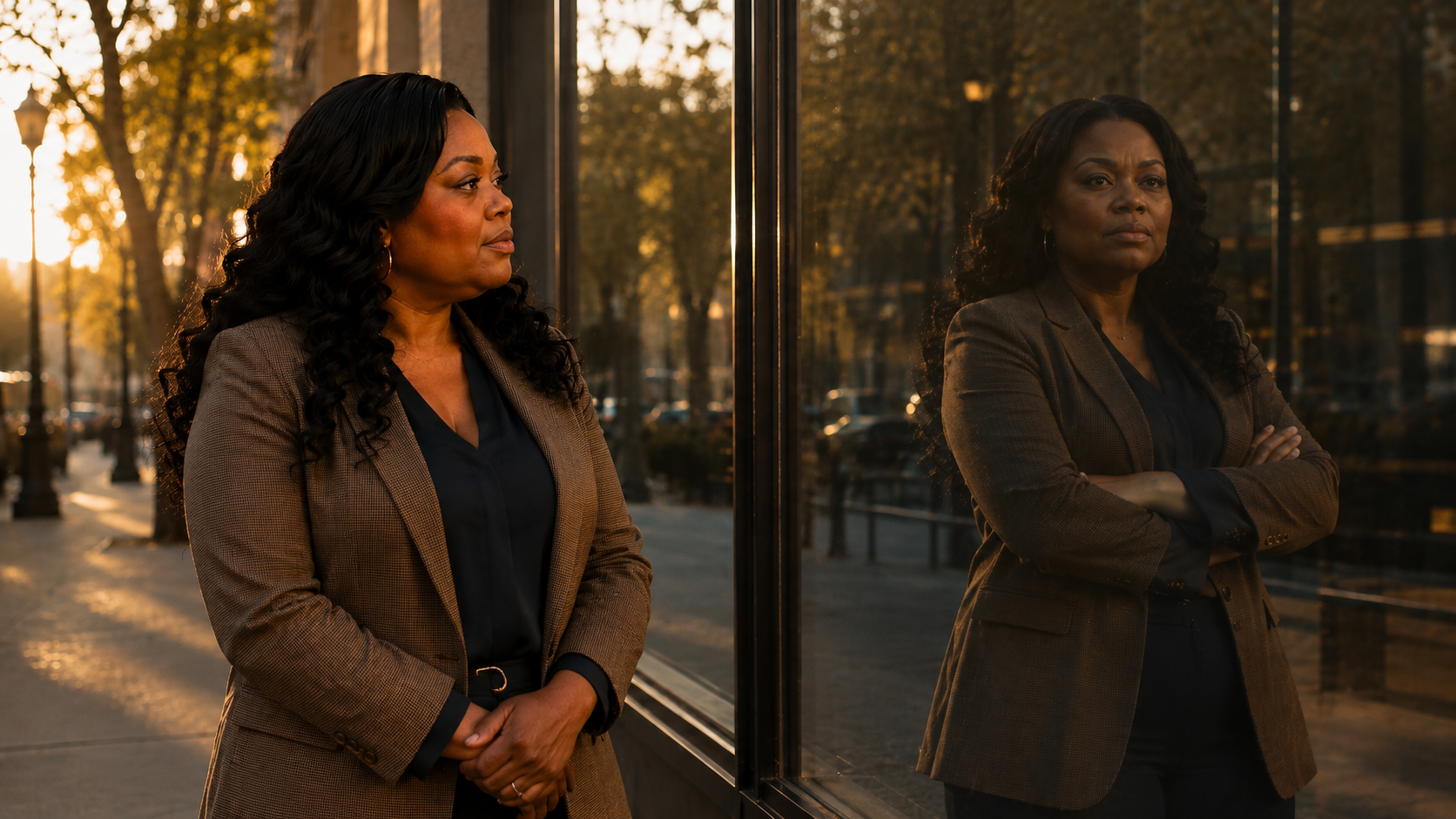
You may not be the cycle breaker just because you are different.
You become the cycle breaker when you are intentional.
When you stop reacting and start healing.
When you stop using your pain as your only compass.
When you stop building your whole life around proving who you are not.
When you start asking God for wisdom, not just relief.
When you stop confusing the opposite of your past with the health of your future.
The goal is not to become the reverse of your parents.
The goal is to become healed enough to choose what is right, not just what is different.
So be honest with yourself.
Are you breaking the cycle?
Or did the same problem just learn new language, new habits, new boundaries, new excuses, and a new face?
That question may sting.
But it can also save your family, your relationships, your peace, and your future.
FAQs
What does it mean to be a cycle breaker?
A cycle breaker is someone who intentionally identifies unhealthy family patterns and works to build healthier ones. It is not just about doing the opposite of previous generations. It is about choosing healing, wisdom, accountability, and balance.
Can doing the opposite of my parents still be unhealthy?
Yes. Doing the opposite can still be unhealthy if it is driven by pain instead of wisdom. For example, if your parents were too strict, becoming too permissive may create a different problem. Health is not always the opposite. Sometimes health is balance.
How do I know if I am reacting to childhood pain?
You may be reacting to childhood pain if your choices are mostly based on proving you are not like your parents, avoiding discomfort, refusing correction, or protecting yourself from old wounds instead of building healthy patterns.
Does this mean I should blame myself for my trauma?
No. You are not responsible for what happened to you as a child. But as an adult, you are responsible for how you heal, how you treat others, and what patterns you continue or change.
Is setting boundaries still healthy?
Yes. Boundaries are healthy when they protect your peace, values, and emotional well-being. But boundaries become unhealthy when they turn into walls, punishment, avoidance, or isolation.
How can I break generational cycles in a healthy way?
Start by identifying the pattern, understanding how it affected you, and choosing a healthier response. Seek wisdom, therapy, prayer, mentorship, honest conversations, emotional regulation, and accountability. Do not just reject the old pattern. Build a better one.
Can I honor my family and still break cycles?
Yes. Honoring family does not mean protecting dysfunction. You can love people, tell the truth, set boundaries, and still refuse to repeat harmful patterns.
What is the biggest sign that I am truly healing?
One major sign is that your decisions become less reactive and more intentional. You stop making choices only from pain and start making choices from peace, wisdom, responsibility, and love.
Engagement Question
What is one area of your life where you may not be breaking the cycle yet, but simply reacting to the pain that created it?